





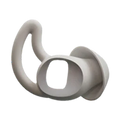


Bose Sleepbuds vs Zenbuds: The Ultimate Sleep Earbud Showdown
A good night’s sleep can feel like a challenge, especially when external noises disrupt your rest. Whether it's a snoring partner, noisy neighbors, or just a restless mind, sleep earbuds offer a potential solution. Two of the most well-known options are Bose Sleepbuds and Amazfit Zenbuds. Both claim to improve sleep by masking unwanted sounds and creating a more relaxing environment. But which one is better suited for your needs?
This detailed comparison breaks down their design, features, battery life, and overall performance to help you decide.

Bose Sleepbuds: A Focused Sleep Solution
Bose Sleepbuds were designed to help create a quieter environment by masking disruptive noises. Unlike conventional earbuds, they are not designed for music streaming or phone calls. Instead, they focus entirely on passive noise blocking and sound masking, making them a unique solution for those struggling with unwanted nighttime disturbances.
Bose released two versions of Sleepbuds - the original Bose Sleepbuds and the improved Bose Sleepbuds II. While both models share the same core function, they differ in battery life, sound quality, and overall reliability.
First-Generation Bose Sleepbuds
The original Bose Sleepbuds, launched as the company’s first sleep-focused earbuds, introduced the concept of noise-masking technology rather than noise cancellation. They were equipped with preloaded soothing sounds designed to cover common nighttime disturbances such as snoring, traffic noise, and background chatter.
Design and Comfort
The original Sleepbuds had a compact, in-ear design that was lightweight and comfortable for prolonged use. They were designed to fit securely in the ear and remain in place throughout the night, even for side sleepers.
To enhance fit and noise masking, Bose included three sizes of StayHear+ Sleep tips (small, medium, and large). These soft silicone tips helped create a seal in the ear canal, improving passive noise blocking.
Noise Blocking and Sound Masking
Rather than actively canceling noise, the first-generation Bose Sleepbuds used passive noise blocking in combination with preloaded soundscapes to mask distractions. The Bose Sleep app allowed users to select from a variety of sounds, including white noise, nature-inspired audio, and ambient tones.
Users could not upload their own sounds or stream music from a phone, as the product was dedicated solely to sleep optimization.
Battery Life and Charging
One of the key advantages of the original Sleepbuds was battery life. The earbuds offered up to 16 hours of playback on a full charge, ensuring all-night use. They were powered by rechargeable silver-zinc batteries, which, despite their long runtime, later became a source of reliability concerns.
Charging was done through a compact charging case, which provided extra power for multiple uses before requiring a recharge. The case itself took about three hours to fully charge.
Additional Features
The original Bose Sleepbuds also included a custom in-ear alarm that allowed users to wake up without disturbing their partner. This feature was useful for those who needed a personal wake-up alert that wouldn’t be heard by others.
Discontinuation
Despite their innovative approach, the first-generation Bose Sleepbuds were discontinued due to widespread battery performance issues. Many users reported unexpected shutdowns and inconsistent charging, which led Bose to issue refunds and remove the product from the market.
Bose Sleepbuds II: A More Reliable Successor
Following the discontinuation of the first model, Bose Sleepbuds II were introduced with improved battery technology and enhanced sound masking features. They retained the core functionality of the original Sleepbuds while addressing the reliability concerns of the first version.
Design and Comfort
Bose Sleepbuds II continued the low-profile, lightweight design of their predecessor. They were developed specifically for side sleepers and users who frequently shift positions during sleep.
Like the first-generation model, Bose Sleepbuds II included three sizes of silicone ear tips, ensuring a secure fit for different ear shapes. The goal was to enhance comfort while maintaining passive noise blocking.
Noise Blocking and Sound Masking
Bose Sleepbuds II include a selection of preloaded audio tracks through the Bose Sleep app, featuring white noise, nature-inspired sounds, and ambient relaxation tracks designed to create a calmer environment.
The major improvement was in sound clarity and consistency, ensuring that the masking audio effectively covered disruptive noises without interruptions. However, like the first model, Sleepbuds II do not support music streaming or personalized sound uploads.
Battery Life and Charging
One of the biggest improvements in Bose Sleepbuds II was the battery upgrade. Instead of silver-zinc batteries, the newer model adopted nickel-metal hydride batteries, which are known for their stability and longevity.
The battery life of Bose Sleepbuds II is up to 10 hours, slightly lower than the original model’s 16-hour runtime but more reliable. The charging case remains an essential component, allowing users to store and recharge the earbuds when not in use. The case itself requires about three hours to fully charge.
Additional Features
Similar to the first-generation model, Bose Sleepbuds II include:
-
A personal in-ear alarm that wakes the user up without disturbing others.
-
A sound playback timer that allows users to set a duration for audio playback.
However, Sleepbuds II do not feature sleep tracking or additional smart capabilities. Their sole function remains providing a quiet, distraction-free environment for better sleep.
Key Differences Between Bose Sleepbuds and Bose Sleepbuds II
|
Feature |
Bose Sleepbuds (Original) |
Bose Sleepbuds II |
|
Battery Type |
Silver-zinc (prone to failure) |
Nickel-metal hydride (more reliable) |
|
Battery Life |
Up to 16 hours |
Up to 10 hours |
|
Sound Masking |
Preloaded sounds |
Improved sound clarity and selection |
|
Fit and Comfort |
StayHear+ Sleep tips, compact design |
Same design with enhanced comfort |
|
Charging Case |
Compact, provides multiple charges |
Same case design |
|
Smart Features |
In-ear alarm, sleep timer |
In-ear alarm, sleep timer |
|
Custom Sound Upload |
No |
No |
|
Streaming Support |
No |
No |

Amazfit Zenbuds: A Feature-Rich Sleep Companion
Amazfit Zenbuds take a different approach by integrating advanced features beyond sound masking. In addition to blocking external noise, they include sleep tracking, heart rate monitoring, and relaxation tools. These added capabilities make Zenbuds a multi-functional device designed not only for sleep but also for daytime relaxation and focus.
Design and Comfort
Amazfit Zenbuds are designed to be as lightweight as possible to minimize discomfort during sleep. Their compact form factor ensures a secure fit, and the ergonomic structure is meant to stay in place even for users who move frequently. Unlike Bose Sleepbuds II, Zenbuds feature an elongated U-shaped ear tip that helps them rest securely in the ear ridge.
To accommodate different users, Amazfit provides four sizes of ear tips, offering a more customized fit compared to Bose’s three options. The material used is soft and flexible, reducing the chances of discomfort even when worn for extended periods.
Noise Blocking and Sound Masking
Like Bose Sleepbuds II, Amazfit Zenbuds do not use active noise cancellation. Instead, they rely on passive noise blocking to reduce background disturbances. Their snug fit helps limit external sounds, while the preloaded sleep audio further masks disruptions.
Zenbuds offer a more extensive selection of preloaded sounds compared to Bose Sleepbuds II. In addition to white noise and nature sounds, they include ASMR-like audio tracks and guided relaxation exercises. The earbuds also support sounds designed for focus and productivity, making them useful for daytime use as well.
One unique feature of Zenbuds is their auto-stop function, which pauses playback when no further movement is detected. This ensures that audio does not continue playing unnecessarily throughout the night, conserving battery life.
Battery Life and Charging
Amazfit Zenbuds have a longer battery life than Bose Sleepbuds II, lasting up to 12 hours on a single charge. This extended runtime makes them a suitable choice for those who need a little extra battery life to accommodate varying sleep schedules.
Like Bose Sleepbuds II, Zenbuds come with a compact charging case that provides additional charges. The earbuds require approximately 2.5 hours to reach full charge, while the case itself takes around 3 hours to recharge.
Additional Features
Amazfit Zenbuds include sleep monitoring capabilities, tracking heart rate, movement, and position throughout the night. Users can access their recorded data through the Zepp app for personal reference.
Beyond sleep tracking, Zenbuds also include relaxation and focus tools. The Pomodoro timer helps users maintain productivity during the day, while guided breathing exercises provide a way to unwind and reduce stress.
Unlike Bose Sleepbuds II, which focus solely on sleep, Amazfit Zenbuds function as a multi-purpose device that supports both sleep and relaxation throughout the day.
Bose Sleepbuds vs. Zenbuds: A Comprehensive Comparison
When choosing between Bose Sleepbuds (both the original and Sleepbuds II) and Amazfit Zenbuds, understanding their differences in design, noise blocking, features, battery life, and overall functionality is essential. Both products are designed to help reduce unwanted noise and create a more relaxing nighttime environment, but they approach this in different ways.
Overall Concept and Functionality
Bose Sleepbuds are dedicated sleep-focused earbuds that utilize sound masking technology. They do not offer active noise cancellation, sleep tracking, or additional smart features. Instead, they provide a set of preloaded sounds designed to block external disturbances and promote a more peaceful sleeping environment.
Amazfit Zenbuds, on the other hand, go beyond just sleep improvement. They integrate sleep tracking, biometric monitoring, and relaxation tools, making them a multi-purpose wellness device. In addition to masking noise, they provide data on sleep duration, heart rate, and sleep quality.
If your goal is a straightforward, distraction-free sleep aid, Bose Sleepbuds are the better option. If you prefer a more tech-driven sleep and relaxation device, Amazfit Zenbuds provide a broader range of features.
Design and Comfort
|
Feature |
Bose Sleepbuds (Original & II) |
Amazfit Zenbuds |
|
Earbud Type |
Low-profile, in-ear sleep buds |
Low-profile, in-ear sleep buds |
|
Fit and Shape |
Fin-like ear tips (StayHear+ Sleep tips) |
U-shaped ear tip that rests in the ear ridge |
|
Ear Tip Sizes |
Three sizes (S, M, L) |
Four sizes (XS, S, M, L) |
|
Side Sleeper Friendly |
Yes |
Yes |
|
Weight per Earbud |
2.3g (Sleepbuds I), 2.4g (Sleepbuds II) |
1.78g |
Both brands focus on compact and lightweight designs that fit securely in the ear and remain comfortable throughout the night. The Bose Sleepbuds use a fin-like silicone ear tip, while Amazfit Zenbuds feature a U-shaped tip designed to rest within the ear ridge.
While both designs aim to accommodate side sleepers, Amazfit Zenbuds are slightly lighter, which may enhance long-term comfort. They also provide an extra ear tip size, offering a more customized fit.
Verdict: Amazfit Zenbuds offer more ear tip sizes and a lighter design, but Bose Sleepbuds provide a proven, stable fit specifically engineered for passive noise blocking.
Noise Blocking and Sound Masking
|
Feature |
Bose Sleepbuds (Original & II) |
Amazfit Zenbuds |
|
Noise Blocking Type |
Passive noise blocking + sound masking |
Passive noise blocking + sound masking |
|
Active Noise Cancellation (ANC) |
No |
No |
|
Preloaded Sound Library |
Yes (via Bose Sleep app) |
Yes (via Zepp app) |
|
White Noise & Nature Sounds |
Yes |
Yes |
|
ASMR & Meditation Tracks |
No |
Yes |
|
Custom Sound Upload |
No |
No |
|
Streaming Music, Podcasts, or Audiobooks |
No |
No |
Neither Bose Sleepbuds nor Amazfit Zenbuds use active noise cancellation (ANC), as ANC is more suited for low-frequency, continuous sounds (like airplane hums or air conditioners). Instead, both rely on passive noise blocking through their snug fit and shape.
Both devices play preloaded sounds designed to mask distractions, including white noise, nature sounds, and relaxation audio. However, Amazfit Zenbuds offer more variety, including ASMR and meditation tracks, which Bose Sleepbuds do not provide.
Neither brand allows users to upload custom audio files or stream music from their devices. This ensures that only sleep-optimized sounds are used, reducing distractions.
Verdict: Amazfit Zenbuds provide a larger sound library, while Bose Sleepbuds focus on refining noise masking specifically for sleep.
Battery Life and Charging
|
Feature |
Bose Sleepbuds (Original) |
Bose Sleepbuds II |
Amazfit Zenbuds |
|
Battery Type |
Silver-zinc (prone to failure) |
Nickel-metal hydride (more reliable) |
Lithium-ion |
|
Battery Life (Earbuds) |
Up to 16 hours |
Up to 10 hours |
Up to 12 hours |
|
Battery Life (Case Backup) |
Multiple full charges |
Multiple full charges |
Multiple full charges |
|
Charging Time (Earbuds) |
~8 hours |
~6 hours |
~2.5 hours |
|
Charging Time (Case) |
~3 hours |
~3 hours |
~3 hours |
Battery performance is a critical factor for sleep earbuds, as they must last throughout the night without requiring a recharge.
The original Bose Sleepbuds had a 16-hour battery life, but this was powered by silver-zinc batteries, which caused reliability issues. Bose Sleepbuds II switched to nickel-metal hydride batteries, which reduced battery life to 10 hours but improved stability.
Amazfit Zenbuds use lithium-ion batteries, which provide up to 12 hours of battery life and require less charging time than Bose Sleepbuds.
Verdict: Amazfit Zenbuds have the longest battery life and fastest charging time, but Bose Sleepbuds II are more reliable than the original version.
Smart Features and Sleep Tracking
|
Feature |
Bose Sleepbuds (Original & II) |
Amazfit Zenbuds |
|
Sleep Tracking |
No |
Yes |
|
Heart Rate Monitoring |
No |
Yes |
|
Auto-Stop Playback |
No |
Yes |
|
Personalized In-Ear Alarm |
Yes |
Yes |
|
Relaxation & Focus Modes |
No |
Yes |
|
Smartphone App Compatibility |
Yes (Bose Sleep app) |
Yes (Zepp app) |
Bose Sleepbuds focus only on sound masking, while Amazfit Zenbuds include advanced sleep tracking. Zenbuds monitor heart rate, sleep duration, and sleep position, providing a detailed sleep analysis through the Zepp app.
Zenbuds also feature an auto-stop function, which detects when the user has fallen asleep and pauses playback automatically. Bose Sleepbuds do not have this feature, meaning sounds continue playing until the user manually stops them or sets a timer.
Additionally, Zenbuds include daytime relaxation tools, such as breathing exercises and a Pomodoro timer, making them more versatile for users looking for focus and mindfulness tools.
Verdict: Amazfit Zenbuds offer significantly more smart features, while Bose Sleepbuds are a simpler, more streamlined sleep solution.
Price and Value
|
Feature |
Bose Sleepbuds II |
Amazfit Zenbuds |
|
Retail Price |
$249 |
$349 |
|
Primary Function |
Sleep-only device |
Sleep + tracking + relaxation |
|
Best For |
Simple noise masking |
Tech-savvy users wanting sleep data |
Bose Sleepbuds II retail for $249, making them a mid-range, dedicated sleep aid. Amazfit Zenbuds, at $349, offer more features but at a higher price.
Verdict: If you just need a sleep aid, Bose Sleepbuds are the more affordable option. If you want sleep tracking and added features, Amazfit Zenbuds justify the higher cost.
Final Verdict: Which Sleep Earbuds Are Better?
-
Choose Bose Sleepbuds if you want a simple, distraction-free sleep aid with no extra features.
-
Choose Amazfit Zenbuds if you want sleep tracking, biometric data, and additional relaxation tools.
Both options serve different needs. The best choice depends on whether you prioritize pure sleep enhancement or a feature-packed wellness device.
An Alternative to Try
Ozlo Sleepbuds®
An amazingly restful and peaceful sleep every night, free from distractions and noise, is the greatest gift you can give!

What are Ozlo Sleepbuds?
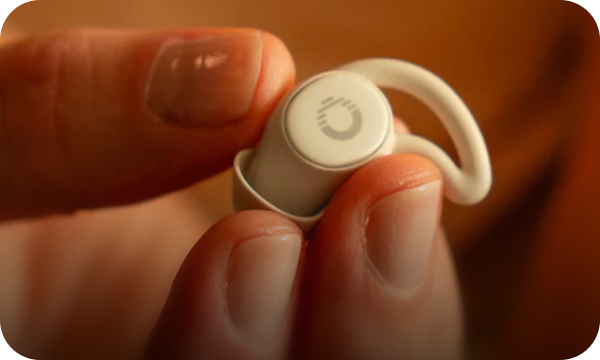
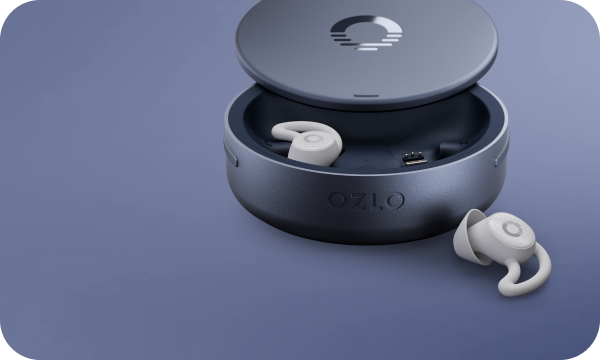
Ozlo is a science-driven, one-stop-shop for the best sleep of your life. Unlike other headphones and earbuds, our tiny Sleepbuds® are engineered to be super comfy, even for side sleepers, while blocking out sleep-disrupting sounds.
Sleepbuds® play audio for up to ten hours, letting you enjoy our noise-masking tracks or stream anything you like, including audiobooks, podcasts, white noise, and YouTube.

The Ozlo Difference
At Ozlo, we're dedicated to helping you achieve the best sleep possible through innovative audio solutions. Our company, founded by three former Bose engineers, focuses on creating products that not only help you fall asleep, but stay asleep throughout the night.
Ozlo Sleepbuds® simply don’t feel like other earbuds. Sleepbuds stay in place even when you toss and turn. The tiny earbuds, with their comfortable silicone tips and anchor-in-place wings, are designed for all-night comfort, no matter your sleeping position. Sleep on your back, side, or whatever works for you, and Ozlo Sleepbuds® will remain in place throughout the night.

Key Highlights
- Founded by three former Bose engineers with extensive experience in audio tech
- Sleepbuds® actively mask unwanted sounds like snoring, traffic, and environmental noises with calming, science-backed audio.
- Ultra-soft silicone tips designed to support every sleeping position, ensuring a secure and comfortable fit.
- Up to 10 hours of continuous use with extra charges from the Smart Case.
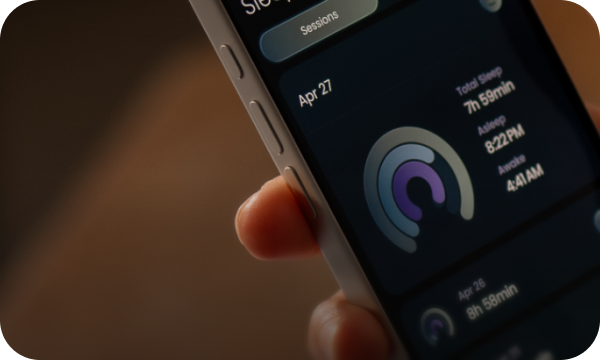
- Built-in biometric and environmental sensors offering personalized sleep reports
- Personal alarm gently wakes you without disturbing your partner
Conclusion
Choosing between Bose Sleepbuds and Amazfit Zenbuds depends on personal preferences and the type of features you find useful for a quieter environment. If you prefer a straightforward way to reduce unwanted noise, Bose Sleepbuds II offer sound masking with a selection of preloaded audio tracks. Amazfit Zenbuds, on the other hand, offer additional features like movement tracking, heart rate monitoring, and relaxation tools.
At the end of the day, both products aim to create a more peaceful atmosphere for rest. Whether you prioritize simplicity and reliability or advanced features and tracking, there’s an option that fits your needs. Your best choice will depend on how much technology you want in your nighttime routine and whether you prefer a minimalist or feature-rich approach to improving your overall comfort.
FAQs
Can I stream music or podcasts with Bose Sleepbuds or Amazfit Zenbuds?
No, neither Bose Sleepbuds nor Amazfit Zenbuds allow streaming from external sources like Spotify, YouTube, or podcast apps. Instead, they play preloaded sounds designed to block out noise and create a calming atmosphere.
What’s the difference between Bose Sleepbuds I and Bose Sleepbuds II?
The original Bose Sleepbuds had battery reliability issues, which led to their discontinuation. Bose Sleepbuds II improved battery stability and refined sound masking technology, but they kept the same core functionality and design. The biggest upgrade was switching to nickel-metal hydride batteries, making them more dependable.
Do Amazfit Zenbuds track sleep?
Yes, Amazfit Zenbuds include movement tracking features and monitor heart rate during use. Users can view their data in the Zepp app to get insights into their nighttime patterns.
Which earbuds are more comfortable for side sleepers?
Both Bose Sleepbuds II and Amazfit Zenbuds are designed to stay in place while sleeping on your side. However, Amazfit Zenbuds are lighter, which some users may find more comfortable over long periods. Bose Sleepbuds II use a fin-like ear tip that helps keep them secure, even when changing positions.
Can I set an alarm with these earbuds?
Yes, both Bose Sleepbuds II and Amazfit Zenbuds feature personalized in-ear alarms that wake the user without disturbing others.
Which one is better for long-term durability?
Bose Sleepbuds II are built with simpler, more focused functionality, making them a more reliable choice over time. Amazfit Zenbuds have more advanced features, but their sleep tracking sensors and battery longevity may be factors to consider for long-term use.


