









Snoring Partner Solutions: Best Sleep Tech for Couples
If one person is snoring and the other is lying awake counting ceiling shadows, the real problem is not just noise, it could lead to a sleep divorce. It is a couples sleep problem: fragmented rest, shorter tempers, separate-room negotiations, and that unfair feeling that one person sleeps through everything while the other pays for it. The good news is that consumer sleep tech may help, but usually only when you match the tool to the actual problem.
At Ozlo, we think the most useful starting question is simple: are you trying to help the listening partner sleep through the sound, reduce the snoring itself, or do both? Those are different goals, and they call for different categories of devices. When the main goal is helping the non-snoring partner sleep despite the noise, our Sleepbuds are often a targeted option because they are designed for advanced noise-masking technology, streaming audio, all-night comfort, and side-sleeper comfort. Just as importantly, we want to be precise about what sleep earbuds do and do not do: they are designed to mask the sound of snoring for the listener, not treat or reduce the cause of snoring in the snorer.
Below, we compare sleep earbuds, white noise machines, bedside anti-snore devices, and wearables so couples can choose a setup that feels fair, realistic, and usable night after night.
Before buying anything, it helps to figure out whether the issue is mainly sound reaching the partner, snoring that seems tied to position or congestion, or both. A lot of frustration comes from choosing a device that solves the wrong problem.
Common scenarios
- Simple or occasional snoring: intermittent, often worse after alcohol, exhaustion, or a head cold.
- Positional snoring: louder or more frequent when sleeping on the back, sometimes quieter on the side.
- Congestion-related snoring: tied to allergies, colds, or nasal blockage.
- Possible sleep-disordered breathing: loud habitual snoring plus pauses, gasping, choking, heavy daytime sleepiness, or unrefreshing sleep.
A quick way to sort your goal
- If the snoring partner feels fine and the main crisis is the other person being kept awake, start with masking-focused tools.
- If snoring is frequent, clearly positional, or the snorer wants to work on the sound itself, consider snoring-reduction tools.
- If both partners are struggling, a combined approach may make the most sense.
Causes can overlap. Someone can have positional snoring and congestion. Someone can also have a noisy room and a snoring partner. Electronics can support sleep, but not every snoring pattern is best addressed with consumer tech alone.
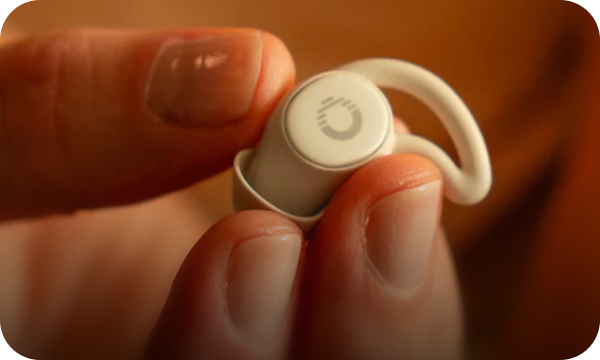
If your main goal is helping one partner sleep through snoring, sleep earbuds are often a strong first category to consider. We designed Sleepbuds for overnight noise masking, streaming audio, and all-night comfort, with a low-profile design intended for side-sleeper comfort. That makes them different from standard earbuds or bulky headphones that may work for daytime listening but can feel less practical in bed.
The distinction matters: sleep earbuds help mask snoring noise for the listener. They do not reduce the snorer’s airway vibration, reposition the snorer, or address the medical cause of snoring. For many couples, though, that listener-focused approach is exactly what relieves the immediate pain point fastest.
Why sleep-specific earbuds differ from regular earbuds
- Low-profile fit: important if you sleep on your side.
- Secure feel: less shifting during the night, do not fall out like traditional foam earplugs.
- Overnight battery life: enough to last a full sleep window; our Sleepbuds offer up to 10 hours of battery life.
- Sleep-oriented audio options: masking sounds, calming content, and streaming audio.
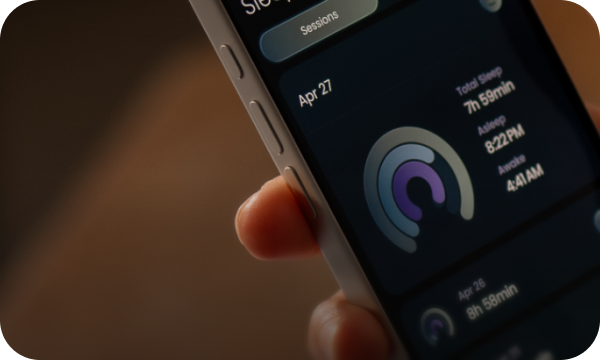
- App support: easier setup, sound control, and personalized insights in our Ozlo App.
Compared with foam earplugs, sleep earbuds can be more customizable because you are not only blocking sound; you are layering in controlled audio that may make irregular snoring less noticeable. Compared with a bedside sound machine, they are more targeted to one partner, which can be useful when one person needs more masking than the other or when you are traveling.
For safe overnight listening, volume still matters. The NIDCD guidance on noise and hearing health is a useful reminder not to assume “sleep audio” means volume is irrelevant. Lower, comfortable listening levels are the goal.
White noise machines and other bedside sound devices make the whole room sound more even. They can be a good fit when both people want ambient masking, when neither partner likes wearing anything in-ear, or when the bedroom has multiple sound issues beyond snoring, like traffic, hotel noise, or a creaky hallway.
The limitation is proximity. Snoring happens very close to the listener, so room-level masking sometimes needs more volume than couples expect. That can help, but it can also affect both people equally rather than selectively helping the lighter sleeper.
When a sound machine makes sense
- Both partners like ambient sound.
- The listener does not want earbuds.
- You want one portable device for guest rooms or travel.
- Snoring is only part of a broader noise picture.
What to compare
- Sound variety and loop quality
- Fine volume control
- Timer options
- Portability and bedside footprint
Like sleep earbuds, sound machines address the sound environment. They do not address the cause of snoring itself.
Anti-snore devices for the snorer: bedside devices, positional tools, and targeted wearables
If the goal is to reduce the snoring rather than just cover it up, the snoring partner needs the intervention. This category includes bedside responsive devices, adjustable smart pillows, and wearable positional trainers that detect snoring or body position and prompt movement.
Bedside responsive devices
Some bedside systems listen for snoring and respond by changing pillow angle or head position. These may appeal to couples who want a non-wearable setup, but comfort, responsiveness, and partner disturbance vary. A device that moves the sleeper may reduce snoring in some cases, but it can also wake the sleeper or bed partner if the response feels abrupt.
Positional wearables
These are designed to discourage back sleeping through vibration or feedback. They may help some people with positional snoring, meaning snoring that is clearly worse on the back and better on the side. That is different from ordinary snoring with mixed causes, and it is also different from sleep-disordered breathing. We do not want to blur those together. Positional devices are not a broad answer for every snorer, and comfort and adherence can be real limiting factors.
Tracking wearables
Many wearables track sleep position, sleep stages, or sound patterns. That information can be useful for pattern-spotting, but tracking alone is not the same as reducing snoring. A report that says “you snored a lot” may confirm the problem without solving the 2 a.m. part of it.
In other words: if the snorer’s pattern is simple and positional, wearable prompts may help. If the goal is immediate relief for the listening partner, masking tools often help faster. If symptoms suggest something more serious, it is time to involve a clinician.
Decision tree: choose based on your real goal
| Primary goal | Best first category | Why |
|---|---|---|
| Help the non-snoring partner sleep through the noise | Sleep earbuds | Often a strong first option for targeted overnight masking without changing the whole room. |
| Try to reduce simple or positional snoring | Positional or bedside anti-snore devices | May help when the snoring pattern is clearly position-related or responsive to head or neck changes. |
| Reduce partner disturbance and work on snoring | Combine categories | One partner uses masking; the other tries a snoring-focused tool where appropriate. |
| Symptoms suggest sleep apnea or major daytime impairment | Medical evaluation first | Consumer tech can support comfort, but it should not delay assessment. |
Extra tie-breakers
- Budget: Room sound machines are often simpler; sleep earbuds and responsive devices may cost more.
- Comfort: If someone hates wearables, avoid building a plan around one.
- Travel: In-ear masking is often more portable than room-based setups.
- Urgency: If one partner needs sleep relief now, listener-focused masking may be the quickest practical step.
What to look for before you buy
The best setup is not the one with the longest spec sheet. It is the one a couple will actually use consistently.
For sleep earbuds
- Side-sleeper comfort
- Secure overnight fit
- Battery life that covers the night
- Sound options and streaming flexibility
- Easy setup and app experience
- Partner-friendly alarms and bedtime routines
If you want to explore how we approach those details, our Sleepbuds overview and sleep patterns resources are a helpful place to start.
For white noise machines
- Natural-sounding loops
- Useful volume range
- Portability
- Timer and control simplicity
- Whether the room-level sound bothers the other partner
For anti-snore devices and wearables
- Comfort and consistency
- Sensitivity and false triggers
- Whether prompts wake the partner
- Return policy and adjustment period
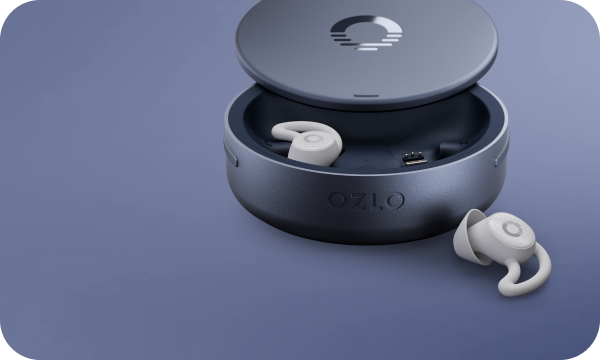
Some couples also end up building a small sleep ecosystem around bedside charging and travel routines. That sounds unglamorous, but practical details matter when you are trying to make good habits stick.
When snoring deserves medical evaluation
Not all snoring is just a noise problem. According to MedlinePlus, snoring can have several causes, and in some cases it may be linked with obstructive sleep apnea. The NHLBI overview of sleep apnea and the American Academy of Sleep Medicine sleep apnea guide are both useful references on what to watch for.
Red flags worth checking
- Witnessed breathing pauses
- Gasping or choking during sleep
- Morning headaches
- Excessive daytime sleepiness
- High blood pressure
- Unrefreshing sleep
- Snoring that is getting louder or more persistent
Consumer electronics do not diagnose or rule out obstructive sleep apnea. If those signs are showing up, a professional evaluation or sleep study is the safer next move. Using noise-masking tools for partner relief can still make sense while the snoring partner seeks care; the key is not letting a gadget stand in for an assessment.
FAQ
Do sleep earbuds help with a snoring partner?
They can help the listening partner by masking the sound of snoring. They do not treat or reduce the cause of snoring in the snorer.
Can white noise machines block snoring well enough for couples?
Sometimes, especially when both partners like ambient sound. But close-range snoring may still cut through, which is why more targeted in-ear masking can be appealing.
What device helps reduce snoring rather than just mask it?
Positional trainers, responsive pillow systems, and some bedside anti-snore devices aim to reduce snoring in the snorer. Results depend on the cause and on whether the person can tolerate the device consistently.
Are anti-snore wearables effective for positional snoring?
They may help some people whose snoring is clearly worse on their back and better on their side. They are not a universal answer for every snoring pattern.
What is the difference between masking snoring and treating snoring?
Masking changes what the listener hears. Treating or reducing snoring tries to change what is happening in the snorer’s airway, position, or breathing pattern.
When should snoring be checked by a doctor?
If there are breathing pauses, gasping, daytime sleepiness, morning headaches, high blood pressure, or worsening loud snoring, it is worth seeking medical evaluation.
Can you combine sleep earbuds with an anti-snore device?
Yes. For some couples, combining listener-focused masking with a snorer-focused device is the most balanced setup.
Are regular earbuds a good substitute for sleep earbuds overnight?
Often not. Regular earbuds may not be designed for all-night comfort, side sleeping, or sleep-specific audio control.
Conclusion: build a calmer, fairer nighttime setup
The simplest way to approach a snoring partner problem is to separate masking from reducing. If the main goal is helping the non-snoring partner get back to sleep, exploring sleep earbuds is often a practical next step. If the goal is reducing simple or positional snoring, a snorer-focused device may be worth testing. If both issues matter, combining categories can be the fairest solution.
If you want a listener-focused option designed for overnight noise masking, streaming audio, and side-sleeper comfort, you can explore our approach at Ozlo and learn more about our Sleepbuds. Better sleep does not have to mean blame, separate bedrooms, or just “dealing with it.” With the right setup, both people can have a better shot at a quieter night and a better tomorrow.


