





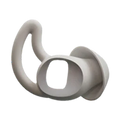



Sleep Earbuds for Side Sleepers Worth Considering 2026
If you sleep on your side, the sleep earbuds most worth considering in 2026 are the ones designed specifically for overnight wear rather than standard music earbuds. That matters because side sleepers deal with a problem other shoppers can ignore: your ear is pressed into a pillow for hours, so profile height, pressure management, secure fit, and overnight practicality matter as much as sound.
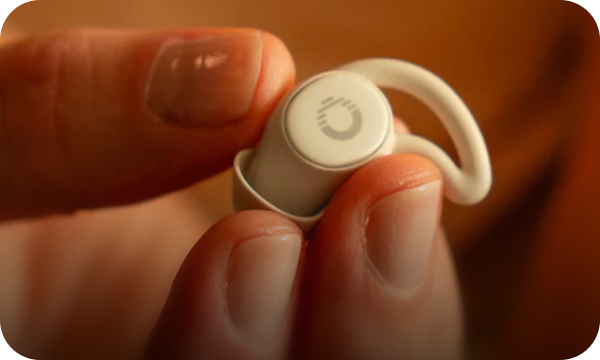
That is why we think Ozlo Sleepbuds belong near the top of the shortlist for this use case. Designed for side-sleeper comfort and overnight use, they combine science-backed sleep sounds with noise masking, streaming audio, a personal alarm, app support, and up to 10 hours of playback.
Our Sleepbuds are a strong option for side sleepers who want a sleep-first design instead of regular wireless earbuds. In this guide, we compare what actually matters at bedtime: side-sleeper comfort, profile height, battery life, masking audio options, fit security, app quality, and overnight safety considerations.
Sleep-earbud shopping is different from normal earbud shopping. For side sleepers, the first question is simple: will this still feel okay when my ear is pressed into a pillow?
- Side-sleeper comfort: Built for overnight wear, not just daytime listening.
- Profile height: Low enough to reduce pressure against the pillow.
- Battery life: Enough runtime to cover a real night of sleep.
- Masking audio options: White noise, science-backed sleep sounds, or personal audio, with automatic switching from streaming audio to masking sounds once the listener falls asleep.
- Fit security: Less shifting as you roll or change positions.
- App quality: Easy setup and useful bedtime controls.
- Overnight safety considerations: Sensible guidance around volume, hygiene, and long wear.
In practice, low-profile shape often matters more than impressive audio specs. If an earbud sounds great but creates pressure after an hour on your side, it is probably not the right sleep solution.
Comparison table: Side-sleeper sleep earbud buying criteria
| Option | Comfort for side sleepers | Profile / size | Battery life | Audio mode options | Fit security | App features | Safety notes |
|---|---|---|---|---|---|---|---|
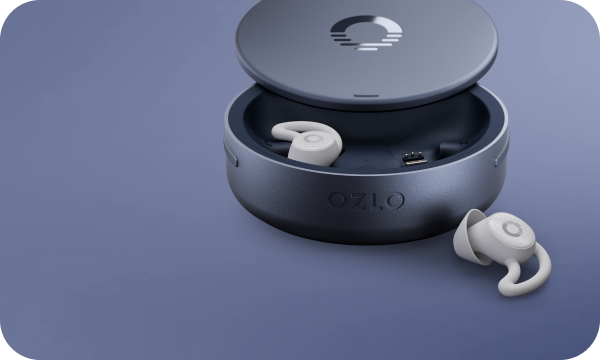
| Our Ozlo Sleepbuds | Designed for side-sleeper comfort and overnight wear | Low-profile sleep-first design | Up to 10 hours of playback, plus extra charge via Smart Case | Noise masking with science-backed sleep sounds, streaming audio, and a personal alarm. |
Designed to stay in place through normal sleep movement, with multiple silicone tip sizes to help you find the most secure and comfortable fit for your ears. |
Bedtime controls plus sleep-pattern-oriented features | Use at low volume and keep ear tips clean and well-fitted |
| Standard wireless earbuds | Often less comfortable for side sleeping | Usually taller, with more pillow pressure | Varies | Usually streaming-focused | May loosen or press into the ear | Often strong for music, not sleep-specific | Not typically shaped for overnight pillow pressure |
| Earplugs | Can work well for some sleepers | Very small | No battery needed | No audio | Depends on fit and insertion | None | Simple option, but no masking sound or alarm |
| Sleep headphones or masks | May suit people who dislike in-ear products | No in-ear pressure, but more bulk around the head | Varies | Usually streaming or built-in sounds | Can shift during sleep | Varies by model | May feel warmer or less stable overnight |
Quick answer blocks
Best fit for comfort plus audio control: Sleep-first earbuds.
Best fit for a simple, low-tech solution: Earplugs.
Best fit for people who dislike in-ear products: Sleep headphones or masks.
A strong place to start if you want a sleep-first earbud: Our Ozlo Sleepbuds, especially if you want both masking and streaming rather than one or the other.
Why our Ozlo Sleepbuds stand out for side sleepers
We may be the best fit for shoppers who want a sleep-first tool, not a general-purpose earbud repurposed for bedtime. Our Sleepbuds are designed for side-sleeper comfort, with a low-profile shape intended to reduce the feeling of the earbud pushing back into the ear when your head is on the pillow.
We also focus on the feature mix that tends to matter most overnight. Our Sleepbuds support noise masking plus streaming audio, so you can adapt your setup to the night in front of you. If your room is noisy, masking sounds may help soften snoring, traffic, or apartment noise. If your mind is noisy, you may prefer to stream calming audio while you wind down first.
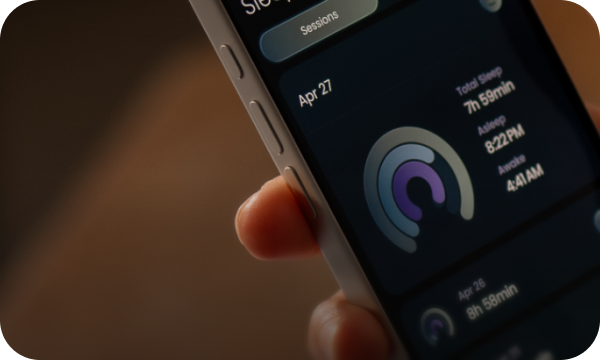
For quieter wake-ups, we include a personal alarm, which may be more appealing than filling the room with sound. We also support app-based features related to sleep patterns and bedtime control through our app experience. We describe those features as sleep-pattern-oriented and personalized, not as medical tracking. And for battery life, our Sleepbuds offer up to 10 hours of playback. The practical goal is straightforward: less pillow pressure, easier wind-down, fewer noise-related disruptions, and a wake-up routine that may be gentler on anyone sleeping next to you.
The practical goal is straightforward: less pillow pressure, easier wind-down, fewer noise-related disruptions, and a wake-up routine that may be gentler on anyone sleeping next to you.
To explore more, you can learn about why Sleepbuds work, view our Sleepbuds overview, see the app experience, or read more about sleep patterns.
Who sleep earbuds are best for
Snoring partner
If a partner’s snoring is what keeps interrupting your sleep, sleep earbuds can be more useful than passive blocking alone because they let you add masking sound. The Sleep Foundation’s guidance on noise and sleep helps explain why even inconsistent nighttime noise can disrupt sleep quality.
City noise or apartment living
Traffic, neighbors, hallway doors, HVAC systems, and early-morning street noise can all create the kind of unpredictable sound that makes sleep feel fragile. Sleep earbuds are especially useful when you want more control than earplugs can offer.
Travel and hotels
Travel adds unfamiliar room sounds, different mattresses, and irregular routines. A consistent in-ear sleep setup may help nights feel more predictable, especially if you already know what masking sound or wind-down audio works for you.
Stress or racing thoughts
If your challenge is mental noise as much as environmental noise, streaming can matter. Some people want only white noise. Others want to start with calming audio, then settle into a quieter overnight setup. That flexibility is one reason sleep earbuds can make more sense than passive earplugs.
Shared spaces
If you share a room with a partner, child, roommate, or frequent houseguests, sleep earbuds can create a more private sound environment without making the whole room listen along.
Who we may be the best fit for
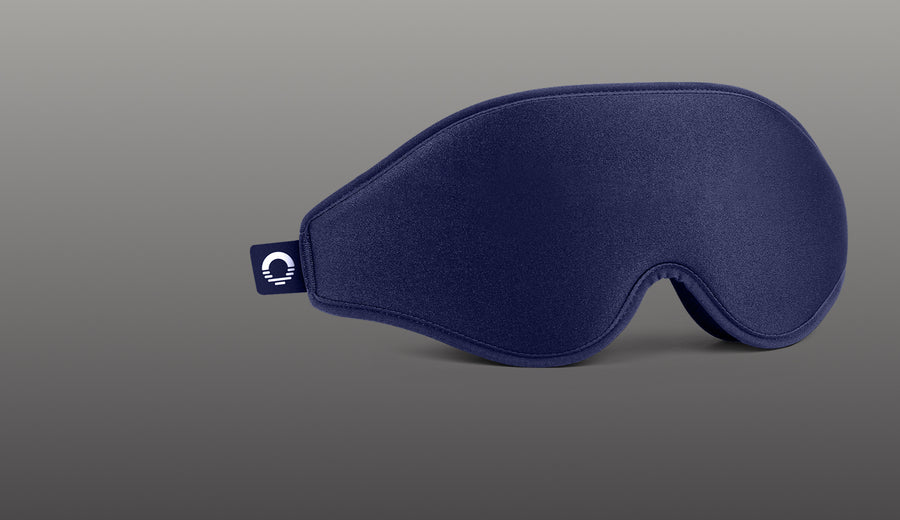
We may be the best fit for people who sleep on their side, want a low-profile overnight design, and care about both masking and streaming. If you mainly want the lowest-cost, no-audio solution, earplugs may be enough. If you dislike any in-ear feel at all, a headband or sleep mask style may be simpler.
Overnight safety considerations before you buy
Sleep earbuds can be a reasonable overnight option when they are designed for that purpose and used thoughtfully. The basics are simple: keep volume low, clean ear tips regularly, replace worn tips, and stop using them if you feel pain, pressure, or irritation.
For audio safety, lower is better for long listening sessions. Both the NIDCD: Noise-Induced Hearing Loss and CDC/NIOSH: Noise and Hearing Loss Prevention note that louder sound and longer exposure increase hearing risk. For sleep use, that means using the lowest effective volume rather than trying to overpower every sound in the room.
Hygiene matters too. Ear tips can collect oils, sweat, and debris over time, so regular cleaning helps with both comfort and safety. If you notice itching, drainage, tenderness, or other signs of irritation, stop use and review guidance such as the NHS: Ear infection overview. Anyone with ear infections, persistent ear pain, skin irritation, or suspected hearing issues should talk with a clinician before continuing.
We would also distinguish sleep earbuds from regular earbuds here. Standard wireless earbuds are not always built around overnight wear or pillow pressure. That design difference matters most for side sleepers, who feel small comfort problems very quickly.
How to choose the right setup for your nights
If you sleep on your side every night, this is the shortlist we suggest using before you buy:
- Start with profile height. If it sticks out too far, you will probably feel it.
- Prioritize overnight comfort over flashy specs. Sleep gear should disappear once you settle in.
- Look for full-night battery life. You should not have to worry about the earbuds quitting before morning.
- Decide whether you want masking only or masking plus streaming. That choice shapes the whole experience.
- Check fit options and ear tips. Secure fit matters when you change positions.
- Do not ignore app reliability. Bedtime tech should feel easy when you are tired.
If you want a setup that is easier to live with day to day or while traveling, a few practical extras may help, including a travel case, an extra USB-C silicone charge cable, or a charging block.
If you want to go deeper, you can shop our Sleepbuds or compare details across our site before deciding.
Bottom line: our Sleepbuds may be the best fit for side sleepers who want a low-profile, sleep-first earbud with masking, streaming, a personal alarm, and full-night-friendly playback. If you want the simplest sound-free option, earplugs may still be the better match.
FAQ
Which sleep earbuds are most worth considering in 2026 for side sleepers?
The ones most worth considering are sleep-first earbuds designed specifically for overnight wear. For many side sleepers, our Ozlo Sleepbuds are a strong place to start because they combine low-profile design, noise masking, streaming audio, a personal alarm, app support, and up to 10 hours of playback.
Are sleep earbuds comfortable for side sleepers?
They can be, if they are designed for side-sleeper comfort. Standard earbuds often create more pillow pressure, while sleep-first designs aim to sit lower and feel less intrusive overnight.
Can you safely wear sleep earbuds all night?
Often yes, if you keep volume low, maintain clean ear tips, and stop use if pain or irritation develops. People with ear infections, persistent ear pain, or hearing concerns should check with a clinician.
Do sleep earbuds block snoring or just mask it?
Sleep earbuds usually work by masking snoring rather than blocking all sound completely. For many people, that is still enough to reduce disruptions and make sleep easier to maintain.
What is the difference between sleep earbuds and regular wireless earbuds?
Sleep earbuds are designed around overnight comfort, low profile, and long-duration wear. Regular wireless earbuds are usually built for music, calls, exercise, or general daytime use.
How much battery life do sleep earbuds need for a full night?
Ideally, enough to cover your realistic sleep window without stress. For most shoppers, full-night playback is a baseline feature to look for, not just a nice extra.
Can sleep earbuds play my own audio and then switch to masking sounds?
Some can. If that flexibility matters to you, look for a model that supports both streaming and masking rather than only preloaded sounds.
Do sleep earbuds fall out during the night?
They can if the fit is poor. The right ear tip size and a sleep-focused in-ear design can help them stay more secure during normal movement.
Are sleep earbuds better than earplugs for side sleepers?
They are better for some people, not for everyone. Earplugs are simpler and cheaper. Sleep earbuds are more useful when you want both comfort and audio control.
What should side sleepers avoid when buying sleep earbuds?
Avoid tall or rigid earbuds made mainly for daytime listening, unclear battery expectations, and products that do not address pillow pressure or overnight comfort.


