








When Sleep Scores Backfire
Orthosomnia is a term people use to describe the habit of trying to optimize sleep so intensely that the effort starts backfiring. In plain English: you become so focused on getting a better score, more deep sleep, or a cleaner graph that sleep stops feeling like a natural process and starts feeling like a test.
This pattern often shows up in people who are already conscientious, health-minded, and a little tired of being tired. The intention is not irrational. It is an attempt to solve a real problem. But sleep is unusual because direct effort does not always help. The more closely it is watched, the easier it is to become vigilant. And vigilance is not a great bedtime state.
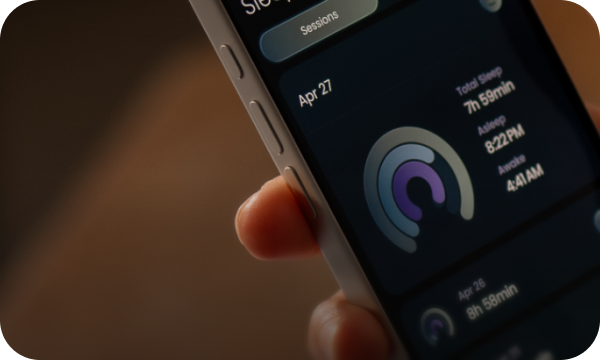
That is why someone can feel reasonably rested on waking, then feel worse after seeing the app. The score becomes the story. Instead of asking, “How do I actually feel?” or “What woke me up?” the brain jumps to, “Something is wrong with my sleep.” That shift can color the whole day and shape the next night.
Once sleep starts feeling measurable in a high-stakes way, a loop can form. You check the data in the morning. You do not like what you see. All day, you wonder how tonight can go better. At bedtime, you become more aware of whether you are falling asleep “correctly.” If you wake during the night, you may start mentally calculating the damage. Then the next morning, you check again for proof.
More checking creates more self-monitoring. More self-monitoring creates more pressure. More pressure makes normal sleep variability feel threatening. And once every night gets judged, even ordinary wake-ups can feel like evidence that you are failing.
None of this means your tracker is useless. It means context matters. If the data helps you notice broad patterns over time, great. If it makes you distrust your own experience every single morning, it may be adding stress instead of clarity.
-
The score is the main trigger: you often feel okay until you see the number, then your mood drops and you reinterpret the night as worse than it felt.
-
The behavior around the score is the problem: you check repeatedly, think about stages in bed, or try to “perform” better sleep for the device.
-
The sleep environment is the real culprit: you can clearly identify wake-up triggers like snoring, traffic, travel noise, a new room, or discomfort when side sleeping.
-
It may be a mix: the app is increasing pressure, but there are also real interruptions that deserve a practical fix.
An important distinction to make before changing anything dramatic is this: are you anxious because of the data, or is the data reflecting a night that was genuinely chopped up by something physical and fixable?
If your partner snores, your building is noisy, your hotel room is unpredictable, or your overnight setup is uncomfortable, then low sleep quality may not be a mystery at all. In that case, the graph is not necessarily creating the problem. It may just be pointing at a real one. The trick is not to stop at interpretation. The better question is what source of disruption keeps breaking your sleep in the first place.
Side sleepers run into this a lot. If what you wear overnight feels bulky, hard, awkward, or unstable, bedtime can become a constant series of micro-adjustments. That can create its own low-level alertness. You are not only trying to sleep; you are monitoring comfort, pressure, and whether the gear will stay tolerable through the night. In that situation, more metrics are rarely the answer. Better comfort usually is.
Travel is another good example. If your score tanks every time you sleep in a hotel, it makes sense to look at the environment before blaming your biology. Unfamiliar sound, hallway noise, HVAC cycling, and thin walls can be enough to fragment sleep on their own. The most useful response may be less analysis and more protection.
If you suspect orthosomnia, the goal is not to become anti-tech overnight. It is to lower the emotional stakes. A good place to start is by reducing how often you look at sleep data, especially first thing in the morning when one number can hijack your interpretation of the whole night.
Try checking trends less often instead of reviewing every single sleep stage every single day. If the data is helpful, it should help over time, not provoke a mini identity crisis before coffee. It can also help to stop making bedtime decisions based on what happened last night. Sleep is variable. Chasing a perfect correction tonight often creates the exact pressure you do not need.
Then move your attention to conditions that actually protect sleep: comfort, sound control, fewer wake-ups, and less overnight fiddling. If your current routine asks you to monitor, adjust, and evaluate all night long, it is probably too mentally expensive. Better sleep often comes from removing friction, not collecting more proof that friction exists.
Why comfort-first sleep support can help more than more surveillance
Ozlo’s perspective is pretty simple: if sleep data is not changing outcomes, protect the sleep itself. For many people, especially light sleepers and side sleepers, the bigger win is reducing preventable interruptions with something comfortable enough to forget about once the night begins.
That is also why a non-pharmaceutical, lighter-touch approach can feel so relieving. Instead of asking your brain to keep evaluating sleep, the goal is to create a quieter, calmer environment with less to react to. If noise, travel, shared spaces, or awkward overnight gear are part of the pattern, comfort-first sleep support may be more useful than adding another layer of monitoring.
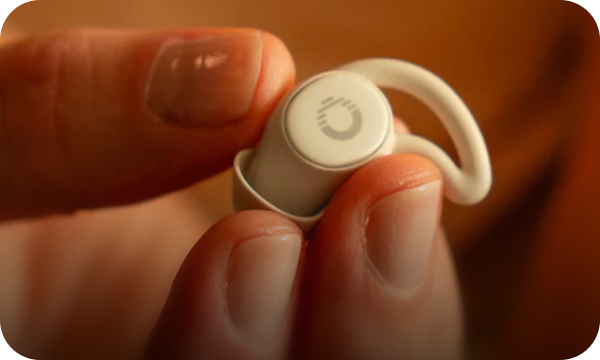
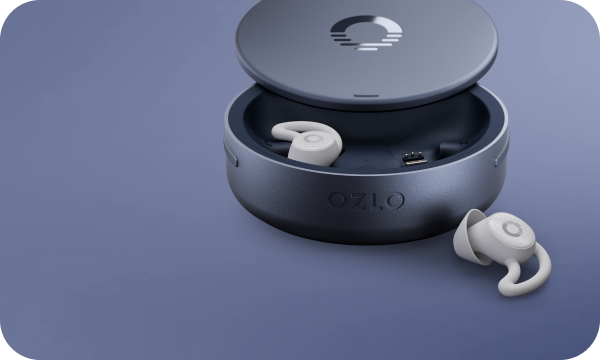
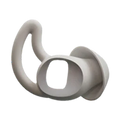
Ozlo was built around that idea. Sleepbuds are designed to be tiny, soft, and all-night wearable, which matters if side-sleep discomfort has become part of your bedtime vigilance loop. And if your nights are constantly interrupted by real-world noise, the goal is not a prettier graph tomorrow; it is fewer disruptions tonight. That same comfort-first thinking carries through the rest of the Ozlo lineup and accessories like the FlexFit charging cable, which are made to fit real life instead of adding one more thing to manage.
A few questions people usually ask
Should I stop tracking my sleep completely?
Not necessarily. If tracking gives you useful long-range patterns without making you anxious, it may still have a place. But if you are checking compulsively, feeling worse every morning, or carrying the score into bedtime pressure, taking a break or reviewing less often can help.
Are sleep trackers inaccurate?
They can be imperfect, especially on detailed stage estimates, but accuracy is not the only issue here. Even reasonably useful data can become unhelpful if you are using it in a way that increases vigilance and self-doubt. The emotional effect of the number matters too.
What if my scores are low because my environment is genuinely noisy?
Then the answer is probably not to stare harder at the app. It is to deal with the noise source as practically as you can. When the problem is snoring, travel, apartment sound, or repeated overnight interruptions, better sleep protection is often more valuable than more measurement.
Sleep does not usually improve because it is judged more strictly. It improves when the night becomes easier to move through with less pressure, less noise, and less interruption.
Protect tonight’s sleep
When your nights are interrupted by sound or shared spaces, the goal is fewer disruptions. Ozlo Sleepbuds are designed for all-night comfort, travel, and quieter rest.
Shop Now

