









Tired but Still Wired? Why Bedtime Scrolling Makes Sleep Harder
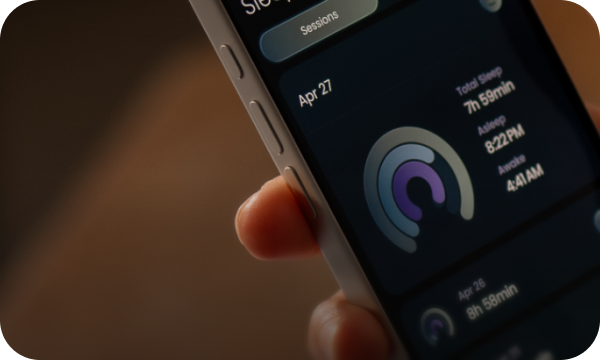
You set the phone down after what was supposed to be a few harmless minutes in bed. Your eyes feel tired. Your body feels heavy. But now your brain is somehow busier than it was before: a text thread is replaying, a headline is still buzzing, one random video is stuck on a loop, and tomorrow’s to-do list has decided this is the perfect time to make an entrance. If that sounds familiar, we want to say something reassuring right away: this is not just a self-control failure. It is a very predictable way bedtime scrolling can keep us tired but wired.
And that matters if your goal is figuring out how to fall asleep faster. Social media before bed can interfere with sleep quality in ways that go beyond the usual blue-light warning. The bigger problem is often stimulation. When we keep feeding the brain novelty, anticipation, emotion, and tiny rewards right before sleep, we make it harder to shift into the slower, calmer state that sleep actually needs. The good news is that we can change the off-ramp tonight.
A lot of us use social media as a reward at the end of the day. We finally stop answering emails, stop cleaning up, stop being useful to everyone else, and collapse into bed with the phone. It feels passive. It feels like a break. But bedtime scrolling is rarely as restful as it looks from the outside.
Even a quiet scroll can ask your brain to do a surprising amount of work. You are reacting to new posts, checking who messaged, scanning headlines, watching short videos, comparing, anticipating, remembering, and deciding whether to keep going. That is still engagement. It may be low-effort physically, but mentally it keeps us on call.
This is why someone can feel sleepy before picking up the phone and more alert after putting it down. The body may be ready for rest, but the mind has been invited back into conversation, entertainment, worry, social comparison, or tomorrow-planning mode. Silence returns to the room, and suddenly your own thoughts are the loudest thing there.
Blue light gets most of the attention, and yes, it can play a role. But if we stop the conversation there, we miss the part most people actually feel at night. The real sleep delay often comes from pre-sleep activation: the brain has been revved up when it should be powering down.
Novelty is a big piece of that. Social feeds are built around the possibility that the next swipe might be funny, upsetting, useful, flattering, or irresistible. That uncertainty keeps attention engaged. Our brains are not especially good at shrugging off “maybe one more” when every refresh offers a new tiny hit of surprise.
Anticipation matters too. We check for replies, reactions, updates, and messages. Even when nothing dramatic happens, the waiting itself can keep us alert. It is a subtle form of staying mentally available, and bedtime is a rough time to remain mentally available to the internet.
Then there is emotional arousal. Not every post is upsetting, but social media makes it very easy to bounce from amusing to annoying to inspiring to stressful in a matter of seconds. Doomscrolling is the obvious version, but even ordinary scrolling can stir up comparison, urgency, curiosity, envy, or social tension. Sleep tends to prefer a narrower emotional lane than that.
Habit loops finish the job. If we scroll in bed most nights, the brain starts linking bed with phone-based stimulation instead of bed with drifting off. Over time, getting into bed can become the cue to reach for the feed. That does not mean anything is wrong with you. It means your routine has taught your brain what happens next.
This is the part many sleep tips get wrong. Telling ourselves “just don’t scroll” sounds simple, but it leaves a gap at exactly the time of night when we are least interested in discipline. We are tired, decision-fatigued, and looking for a soft landing. If the only plan is resistance, the phone usually wins.
We have found it is far easier to replace bedtime scrolling than to white-knuckle our way out of it. The goal is not to lie there heroically doing nothing while the urge to check one more thing gets louder. The goal is to give the brain a lower-stimulation bridge into sleep.
That is where calm, sleep-friendly audio can make so much sense. Audio can hold just enough attention to keep us from grabbing the phone again, without forcing the eyes and mind into the rapid-fire interaction loop of videos, DMs, and feeds. It is not about adding more input. It is about choosing gentler input.
This is also why sleep-focused tools tend to work better at bedtime than generic entertainment habits. A sleep-first audio setup is designed to support rest, not to keep us engaged, clicking, and emotionally activated. That difference matters more than people think when they are trying to fall asleep faster.
You do not need a perfect wellness routine here. You need a realistic sequence that makes scrolling less automatic and sleep more likely.
-
Pick a stop point before you get into bed. Aim for 30 to 60 minutes before sleep if you can. If that sounds ambitious, start with 20. The key is creating a line between “I’m still online” and “I’m heading toward sleep.”
-
Move the phone out of your hands, not just out of your intentions. Put it on a dresser, across the room, or on its charger. If you keep it next to your pillow, your brain knows the feed is still one impulse away.
-
Reduce the social hooks. Silence non-essential alerts, close out of apps, and avoid “just checking” messages. Bedtime is a terrible hour for unresolved conversations and accidental rabbit holes.
-
Give yourself one low-effort transition activity. This could be washing your face, stretching for two minutes, dimming lights, or reading a page or two of something undramatic. We are signaling that the day is narrowing, not starting a new project.
-
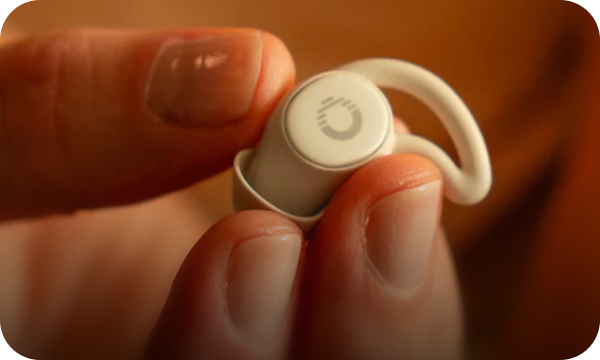
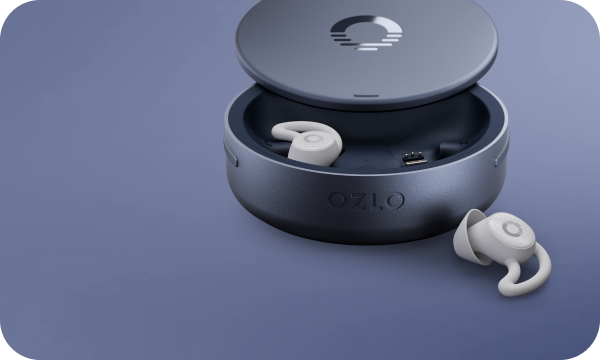
Switch to passive, sleep-friendly audio once you are in bed. Think soothing sound, masking audio, or other calming sleep-first listening that does not ask for visual attention or emotional reactions. This is where something like Ozlo Sleepbuds fits naturally: tiny, all-night-comfortable audio designed to help create a calmer path into sleep instead of another round of stimulation.
-
If your mind is still busy, do not negotiate with the feed. Let the audio be the off-ramp. The point is not to be perfectly serene on command. The point is to stop adding fresh fuel.
If you want proof that this matters for your own sleep, run a simple one-night experiment. Tonight, swap your usual in-bed scrolling for a shorter wind-down with sleep-friendly audio and notice what changes. Not in a lab-study way. In a real-person way.
Pay attention to a few things: how long it feels like your brain keeps chattering after lights out, whether you feel that urge to “check one more thing,” and whether you drift off more smoothly instead of bouncing between random thoughts. Many people notice that they are not just falling asleep sooner; they are arriving at sleep less agitated.
If the habit already started, do not write the night off. That all-or-nothing thinking keeps people stuck. If you have already been scrolling for 15 minutes, stop there. Put the phone away, reset the room, and switch to a calmer input. A partial rescue still counts.
Travel can make this even more useful. Hotels, time-zone shifts, and unfamiliar rooms make people reach for the phone because it feels familiar. But travel is exactly when overstimulation tends to backfire. A compact, sleep-first setup like Sleepbuds built for overnight comfort can help create a repeatable cue that says “we’re done for the day,” even when the room is not your own.
Shared rooms and light sleeping bring their own friction. If your environment is noisy, a calmer audio routine can do double duty: it replaces the scroll and helps cover the little sounds that pull attention back awake. That is part of why we like sleep-first audio so much better than trying to win a nightly willpower contest with a glowing screen. Tools designed for sleep support the transition instead of working against it. If you want to make that setup easier, even small details like a dedicated charging and travel accessory system can remove one more excuse to fall back into the phone habit.
Quick questions people usually have
How long before bed should I stop scrolling?
If possible, give yourself 30 to 60 minutes. But do not let the perfect target stop you from trying. Even a shorter buffer can help if you use it consistently and replace scrolling with something less activating.
What if social media is the only way I know how to unwind?
That is exactly why replacement works better than restriction. We would not ask you to go from constant input to staring at the ceiling. The better move is swapping interactive content for calmer, passive input that helps the brain step down gradually. For many people, that means sleep-friendly audio rather than video.
Is audio really better than video at night?
Usually, yes. Video combines motion, novelty, visual attention, and often emotional pacing designed to keep you watching. Audio can be much gentler, especially when it is designed specifically for bedtime instead of entertainment. That is a big reason products like Ozlo’s sleep-first audio system make sense for people trying to fall asleep faster after a scrolling habit.
What if I wake up in the night and start scrolling again?
Use the same principle. Do not turn a brief wake-up into a fresh round of stimulation. Keep the phone out of reach if you can, and return to something passive and calming instead. The less you invite your brain back into novelty and anticipation, the easier it is to drift off again.
Better sleep onset often comes from changing the transition, not from demanding more discipline from a tired brain. If bedtime scrolling keeps leaving you exhausted and oddly alert, the fix is not just “be stronger.” It is building a gentler off-ramp. And when that off-ramp is calm, comfortable, sleep-first audio, we make it much easier for tomorrow to begin the way Ozlo believes it should: with better rest tonight.


