











Does Nasal Spray Help With Snoring? A Complete Evidence-Based Guide
Snoring is a widespread issue affecting millions of people globally. It's more than just a nightly nuisance - in many cases, it's a symptom of an underlying condition or a consequence of specific nasal and airway blockages. For those seeking a practical and accessible solution, one of the most frequently asked questions is: Does nasal spray help with snoring? The answer depends heavily on what causes your snoring and choosing the right type of nasal spray.
In this in-depth guide, we will break down the core causes of snoring related to nasal congestion, examine the main types of nasal sprays and how they work, and explore when and how these treatments are effective. We will also cover important safety considerations, usage guidelines, and when to combine nasal sprays with other anti-snoring solutions for optimal results.

Why Nasal Blockage Causes Snoring
Snoring often originates from restricted airflow in the upper airway. One of the most common culprits is a blocked or partially obstructed nose. When nasal passages are congested, the body compensates by switching to mouth breathing during sleep. This change alters the airflow dynamics and increases the vibration of the soft palate and uvula, leading to snoring.
Partial nasal blockage can also create suction forces in the throat, increasing the risk of airway collapse. Addressing the root cause - nasal obstruction - is a crucial step for many snorers, and nasal sprays can play a significant role in this process.
Types of Nasal Sprays That Help With Snoring
Not all nasal sprays are the same. To be effective, you must match the right type of nasal spray to the specific cause of your nasal blockage. Let’s break down the main categories:
1. Antihistamine Nasal Sprays
Best for: Allergy-induced nasal congestion
Antihistamine sprays are designed to combat allergic reactions. If your snoring gets worse during allergy season or when exposed to dust and pet dander, histamines are likely the cause. These sprays block the histamine receptors and reduce inflammation, easing breathing through the nose.
2. Steroid Nasal Sprays
Best for: Chronic inflammation and rhinitis
Steroid sprays reduce inflammation by blocking enzymes responsible for producing inflammatory chemicals. They work well for both allergic and non-allergic rhinitis and are suitable for long-term use. They don't provide immediate relief but are highly effective when used consistently.
3. Anticholinergic Nasal Sprays
Best for: Excessive nasal mucus
Anticholinergic nasal sprays, such as ipratropium bromide, reduce excessive nasal mucus by blocking muscarinic receptors that stimulate nasal glands. They are most effective for snorers with vasomotor or allergic rhinitis causing a persistently runny nose, but their role in snoring treatment is limited compared to steroid or antihistamine sprays.
4. Decongestant Nasal Sprays
Best for: Short-term relief from colds or temporary blockage
Decongestants work by constricting dilated blood vessels in the nasal lining, reducing swelling and opening nasal passages. These sprays should only be used for a few days to avoid rebound congestion.
-
Warning: Not suitable for long-term use or for individuals with high blood pressure
5. Mast Cell Inhibitors
Best for: Predictable seasonal allergies
These sprays prevent the release of histamine by stabilizing mast cells. They're most effective when used proactively, at least two weeks before allergy symptoms typically begin.
6. Saline Nasal Sprays
Best for: General nasal hygiene and supporting other sprays
Saline sprays are non-medicated and safe for all ages. They moisturize dry nasal passages and help clear mucus. They are especially useful before applying medicated sprays to enhance their absorption. Use saline spray 5-10 minutes before a steroid spray for better results
Scientific Evidence and Clinical Findings
A 2023 study by the Murdoch Children’s Research Institute, published in JAMA Pediatrics (Baker et al., DOI: 10.1001/jamapediatrics.2022.5258), found that saline and steroid nasal sprays significantly improved sleep-disordered breathing in children, reducing the need for surgery by 50%. Note that these findings may not fully apply to adults, and further research is needed. While this study focused on children, the findings reinforce how effective targeted nasal therapy can be for snoring when used appropriately.
A review of clinical studies in the European Archives of Oto-Rhino-Laryngology also supports the role of nasal obstruction in the pathophysiology of snoring and obstructive sleep apnea. Addressing nasal airflow through topical solutions like sprays is a recommended non-invasive intervention.
Choosing the Right Spray for Your Situation
To select the correct nasal spray, identify the root cause of your nasal congestion. Here’s a simplified guide:
-
Seasonal symptoms and sneezing? Try an antihistamine spray.
-
Persistent blockage without allergies? Go for a steroid spray.
-
Constant runny nose? Anticholinergic spray might help.
-
Short-term cold or infection? Use a decongestant briefly.
-
Chronic dryness or thick mucus? Saline spray is your best friend.
When Nasal Spray Alone Isn't Enough
While nasal sprays can be effective, they don’t work for all types of snoring. If your snoring originates from the throat or is related to sleep apnea, additional or alternative remedies may be required.
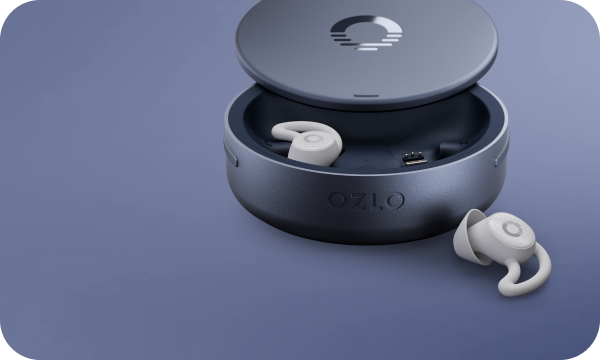
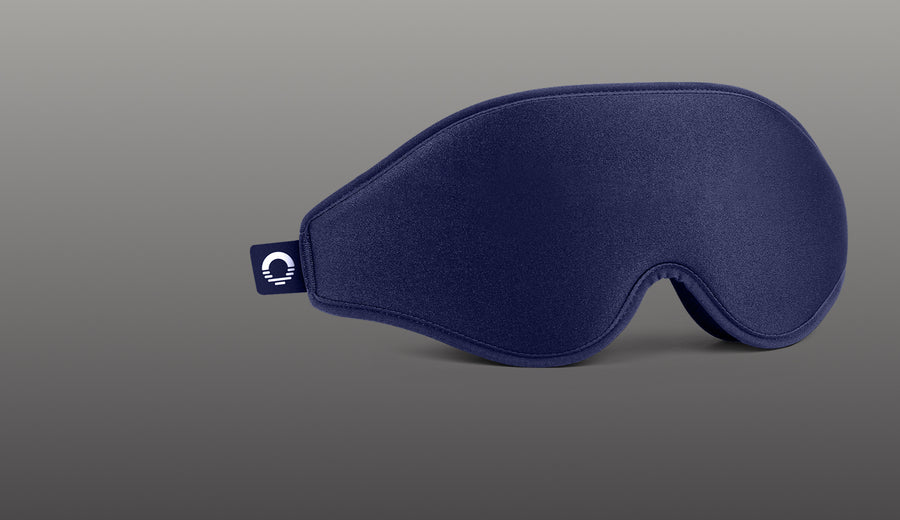
Ozlo Sleepbuds®
An amazingly restful and peaceful sleep every night, free from distractions and noise, is the greatest gift you can give!

What are Ozlo Sleepbuds?
Ozlo is a science-driven, one-stop-shop for the best sleep of your life. Unlike other headphones and earbuds, our tiny Sleepbuds® are engineered to be super comfy, even for side sleepers, while blocking out sleep-disrupting sounds.
Sleepbuds® play audio for up to ten hours, letting you enjoy our noise-masking tracks or stream anything you like, including audiobooks, podcasts, white noise, and YouTube.

The Ozlo Difference
At Ozlo, we're dedicated to helping you achieve the best sleep possible through innovative audio solutions. Our company, founded by three former Bose engineers, focuses on creating products that not only help you fall asleep, but stay asleep throughout the night.
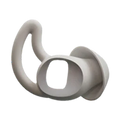
Ozlo Sleepbuds® simply don’t feel like other earbuds. Sleepbuds stay in place even when you toss and turn. The tiny earbuds, with their comfortable silicone tips and anchor-in-place wings, are designed for all-night comfort, no matter your sleeping position. Sleep on your back, side, or whatever works for you, and Ozlo Sleepbuds® will remain in place throughout the night.

Key Highlights
- Founded by three former Bose engineers with extensive experience in audio tech
- Sleepbuds® actively mask unwanted sounds like snoring, traffic, and environmental noises with calming, science-backed audio.
- Ultra-soft silicone tips designed to support every sleeping position, ensuring a secure and comfortable fit.
- Up to 10 hours of continuous use with extra charges from the Smart Case.
- Built-in biometric and environmental sensors offering personalized sleep reports
- Personal alarm gently wakes you without disturbing your partner
Safe Usage and Important Considerations
While nasal sprays can be an effective and low-risk solution for snoring caused by nasal obstruction, it’s important to use them correctly to avoid potential side effects or reduced effectiveness. Different sprays come with different mechanisms of action, active ingredients, and usage recommendations. Misuse or overuse - especially of medicated sprays - can lead to complications like rebound congestion, dependency, or diminished therapeutic effect.
Before starting any nasal spray regimen, take the time to understand how each type works and follow usage guidelines carefully. Here are key considerations to ensure safe and effective use:
-
Read labels carefully: Especially for decongestants and combination sprays that may contain additional active substances. Pay attention to age recommendations, dosage instructions, and any listed warnings.
-
Don’t overuse decongestant sprays: These sprays can provide quick relief but should not be used for more than 3 to 5 consecutive days. Overuse can lead to rebound congestion, where nasal passages become more swollen once the medication wears off.
-
Follow proper timing for steroid and mast cell inhibitor sprays: These types of sprays are not designed for immediate relief. They require consistent, sometimes daily use over several days or weeks to take full effect. Some may also need to be started in advance of allergy season or symptom onset.
-
Check for interactions: If you are currently taking other medications or have chronic health conditions such as high blood pressure, diabetes, or heart disease, consult a healthcare provider before using any medicated nasal spray. Some ingredients may not be suitable in certain cases.
-
Use saline sprays to support medicated treatments: Saline sprays can help clear excess mucus and moisturize the nasal lining, making other sprays more effective and reducing irritation from long-term use.
Using nasal sprays thoughtfully and responsibly can make a significant difference in managing snoring. When in doubt, seek guidance from a medical professional to tailor the right approach to your individual needs.
Conclusion
Nasal sprays can be a highly effective tool against snoring - but only when correctly matched to the underlying nasal issue. From allergy-related inflammation to chronic dryness, there is a specific spray designed to target each condition. Importantly, nasal sprays provide a non-invasive, easily accessible, and often fast-acting method to improve nasal airflow and reduce snoring.
If your snoring is caused by nasal congestion, consistent use of the appropriate nasal spray can bring noticeable improvement in sleep quality. However, if snoring is loud, persistent, or accompanied by symptoms like excessive daytime fatigue or gasping during sleep, it’s essential to consult a healthcare professional. These could be signs of obstructive sleep apnea or another serious condition requiring medical attention.
Breathe clearly, sleep soundly, and choose the solution that best fits your specific needs.
FAQs
Can I use nasal sprays every day?
It depends on the type of nasal spray. Steroid and saline sprays are generally safe for daily, long-term use. Antihistamine and anticholinergic sprays can also be used regularly under medical guidance. However, decongestant sprays should only be used for a few days at a time (typically no more than 3-5 days) to avoid rebound congestion.
Why isn’t my nasal spray helping with snoring?
If your nasal spray isn’t working, it might be because the cause of your snoring isn’t nasal congestion. Snoring can also be caused by issues in the throat, mouth, or related to sleep disorders like obstructive sleep apnea. It’s important to identify the underlying cause to choose the most effective treatment.
Are nasal sprays effective for all types of snoring?
No, nasal sprays are most effective for snoring caused by nasal blockage or inflammation. They are unlikely to help if the snoring is due to structural issues in the throat, obesity, or relaxed airway muscles. In such cases, a combination of treatments or medical evaluation may be necessary.


