








When a White Noise Machine Isn’t Enough for Better Sleep
You turn up the white noise machine for sleeping, settle onto one side, and within a minute the mismatch can become obvious. The room sounds fuller, sure, but the real problem may still be threading its way to one exposed ear: a snore from the left, a floor creak through the bed frame, a footstep that seems to travel through the wall instead of the air. In that moment, it stops feeling like a general bedroom problem and starts feeling much more specific.
Ozlo sees this a lot with people who are not new to sleep noise solutions at all. They already tried the sensible first move: add a bedside sound machine, create a softer sound backdrop, hope the night smooths out. Sometimes that works beautifully. Sometimes it works only until body position changes, a partner rolls over, or the sound arrives from a path the room setup never really controlled in the first place.
That is the key distinction. A white noise machine is not a bad idea. It is often a very good room tool. But some sleep disruptions are not really room problems. They are sleep-position problems, sound-path problems, or shared-room compromise problems. And once that is named correctly, the next step gets much easier.
A more personal sleep solution
When room noise control falls short, go sleep-first
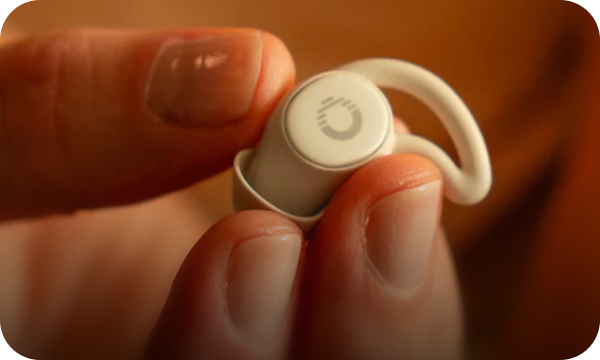
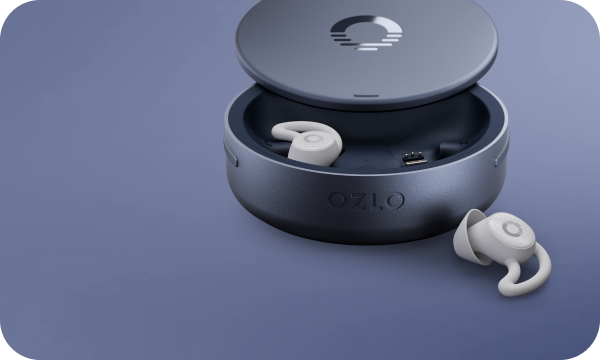
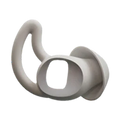
If bad nights keep following one exposed ear, one sleep position, or one nearby sound source, a personal sleep audio device may make more sense than turning the room up louder. Ozlo Sleepbuds are designed for all-night comfort, side sleeping, and targeted bedtime sound protection.
See How Ozlo Sleepbuds WorkRoom-based white noise works by changing the overall sound environment. It can make broad, steady background noise feel less noticeable and create a more consistent sleep atmosphere. If the issue is distant traffic, a mildly noisy hallway, or the general hum of an unfamiliar space, a white noise generator for sleeping may be exactly the right level of solution.
Where it gets tricky is when the disruptive sound is close, uneven, or partly traveling through surfaces. A snore is not a smooth blanket of sound. Footsteps overhead are not politely constant. A bed frame vibration, a wall thump, or a mattress movement does not behave like soft ambient noise across the room. The sound may be physically nearer to the ear, more abrupt, or arriving through the structure around the sleeper instead of through open space alone.
That is why some people say, “It helped me fall asleep, but it didn’t protect the rest of the night.” The issue is not necessarily volume. It is geometry. Where is the noise? How does it reach the sleeper? And does body position make one ear especially vulnerable?
Instead of asking whether white noise is good in general, the more useful question is this: is the goal to solve a room problem or a sleep-position problem?
A room problem is broad and environmental. The sound is diffuse, somewhat distant, and shared by everyone in the space. A sleep-position problem is more personal. The disturbance changes when the sleeper rolls over, when one ear faces the source, or when the sound seems tied to a bed, wall, floor, or nearby person rather than the room as a whole.
Three signs usually reveal the mismatch fast:
- The sound source is physically close to the sleeper.
- The disruption changes depending on which side the sleeper is on.
- Fixing it for the whole room would annoy, wake, or inconvenience someone else.
If one or more of those feel familiar, the answer may not be bigger room sound. It may be a more personal sleep setup.
Side sleeping is where this becomes really obvious. When someone sleeps on one side, one ear is partly sheltered by the pillow and the other is still out in the world negotiating with whatever the night is doing. If the exposed ear faces the source of the disruption, the experience can change dramatically even though nothing else in the room has changed.
That is one reason bedside masking can feel inconsistent. The speaker may be doing its job across the room, but sleep position is constantly changing the contest between the masking sound and the disruption. One side of the body may feel protected; the other may feel like it is still on neighborhood patrol.
Position also affects what is comfortable enough to wear overnight. Standard earbuds, bulky headphones, and many casual audio options were not really made for hours of side sleeping. So people can end up stuck between two imperfect choices: a room setup that is too broad, or a personal audio option that is too intrusive to sleep in. That gap is exactly why sleep-first personal audio exists as its own category.
Shared spaces are wonderfully clarifying because they expose the tradeoffs fast. If the only way to make the room sound machine effective is to raise it high enough that a partner dislikes it, a roommate complains, or the whole hotel room feels overprocessed, that tells us the solution is spilling beyond the person who actually needs protection.
When the issue is a partner beside you
A partner’s snoring, mouth sounds, rustling sheets, or repeated movement often come from the hardest possible place for room masking: very close range. Add side sleeping, and one ear can end up pointed right at the disturbance. In that setup, the room may sound pleasantly full while the actual trigger still slices through.
This is also where household diplomacy matters. Some couples genuinely like room sound. Others do not. If one person wants more masking and the other wants a quieter room, a whole-room fix can become a tiny nightly negotiation nobody enjoys repeating.
When the issue is walls, floors, and roommates
Apartment living adds another layer. Noise is not always just “out there” in the air. It can come through a shared wall, down through the ceiling, up through the floor, or into the bed frame itself. When that happens, turning up the room sound may help a little, but it may not address the way the disruption reaches the body.
Roommates create a similar problem of control. Sleepers may not be able to change someone else’s schedule, door habits, or the architecture. If solving the noise requires changing the environment for everyone, the solution is fragile from the start.
When the issue is travel
Hotels are a perfect example of why category choice matters. HVAC noise, hall traffic, elevator sounds, and an unfamiliar bed can all combine into a sleep setup that is hard to control. A room machine can help create familiarity, but travel often amplifies the value of a protected personal sleep zone because the environment keeps changing while the need for sleep does not.
At a high level, room-based white noise and personal sleep audio are trying to solve different problems. One changes the environment for everyone. The other creates a smaller protected zone around one sleeper.
- Room-based white noise: best for broad ambient sound and people who want to change the feel of the whole room.
- Personal sleep audio: better when the disruption is close, position-dependent, or socially awkward to solve for everyone else.
- Room setups: simpler when nobody minds the added sound.
- Personal setups: more flexible when one sleeper needs more protection than the rest of the room does.
- Room devices: useful at home, but less targeted when the sound keeps “winning” at one ear.
- Sleep-first personal devices: especially helpful when overnight comfort and side sleeping actually matter.
That does not mean one must be chosen forever while the other is banished from the nightstand. Plenty of people keep room sound for general atmosphere and use a personal device when the problem is more specific. The important part is not forcing a room tool to behave like a personal one.
A simple way to decide what makes sense next
For a practical test, start with what happened on the last frustrating night, not with product categories. Replay the scene in order. Where was the noise? Did rolling over change how much it bothered the sleeper? Would increasing room sound have affected anyone else sharing the space?
- If the noise was broad, distant, and shared by the whole room, keep the white noise setup and fine-tune placement, volume, and bedroom acoustics.
- If the sound path can be changed, optimize the environment first: move the bed, adjust what is touching the wall, reduce rattling surfaces, or change where the speaker sits.
- If the problem follows one ear, changes with sleep position, or becomes a nightly compromise with someone else, move to personal sleep audio.
That last category is where many disappointed white noise shoppers actually belong. They are not failing to use a white noise generator for sleeping correctly. They are simply asking a room-level solution to solve a personal, position-sensitive disruption.
Common mistakes that keep the mismatch going
The first is assuming louder is automatically better. Once room sound starts becoming obtrusive, more discomfort may be added without solving the real path the noise is taking. More sound in the room is not always more protection for the sleeper who needs it most.
The second is expecting perfect silence. No sleep device should be judged by whether it creates a sensory vacuum. The more realistic goal is to reduce the salience of disruptive noise enough that the brain stops snapping to attention every time the night does something rude.
The third is treating all personal audio as interchangeable. Generic earbuds, workout buds, and bulky noise-cancelling headphones may play sound, but overnight sleep has its own requirements: long-wear comfort, side-sleeping practicality, stable fit, simple charging habits, and a design that does not make bedtime feel like gear management.
That is also where the case for a sleep-first option like Ozlo Sleepbuds becomes clear. If the noise problem keeps tracking with one ear, one side of the bed, or one uncontrollable nearby source, a personal device designed specifically for sleep is usually a more sensible move than adding more room sound and hoping this time it somehow behaves differently.
FAQ
Is a white noise generator for sleeping enough for snoring?
Sometimes, but often only when the snoring is mild or the sleeper is less sensitive. If the snoring is close, uneven, and strongly affected by which side someone sleeps on, room masking may help at bedtime without reliably protecting the rest of the night.
Does personal sleep audio replace a sound machine?
Not always. Some people still like room sound for general atmosphere. Personal sleep audio becomes especially useful when targeted overnight protection is needed without changing the whole room for everyone else.
What if I sleep on my side?
That is exactly why comfort matters so much. Side sleepers usually need a sleep-specific design, not just any earbud-shaped device. If personal audio is the right category for the noise pattern, choose one built for all-night wear rather than repurposing regular listening gear.
Who should switch first?
If the last few bad nights had the same pattern — one exposed ear, one nearby source, one shared-room compromise — that sleeper is a strong candidate. If the problem fills the whole room more evenly, keep optimizing the room setup first.
Put simply: if the disruption lives in the room, a room solution still makes sense. If it keeps following the ear, one side of the bed, or a nightly sleeping position, that is usually the moment to stop scaling up the room and choose a sleep-first personal setup like Ozlo.
Ready for a better answer than more room noise?
If snoring, footsteps, wall noise, or side-sleep exposure keep cutting through a white noise setup, it may be time to switch to a product built specifically for sleep. Ozlo Sleepbuds are made to stay comfortable through the night while helping create a more protected personal sleep zone.
Shop Ozlo Sleepbuds

