










Why a Quiet Bedroom May Keep You Awake Tonight
For a few seconds after lights-out, everything seems settled. Then the vent gives a little tick. A car moves somewhere far off. The building makes that small settling sound you never notice during the day. Now your body is in bed, but your attention is standing watch, listening for the next tiny interruption instead of drifting off.
We know this bedtime pattern well: the room is quiet by normal standards, yet falling asleep still takes forever because little irregular sounds keep landing. This is not the same thing as trying to sleep through a blaring TV or a snoring partner. It is subtler than that, and often more frustrating, because the room feels like it should be good enough already.
If you are trying to figure out how to fall asleep faster tonight, the goal is not to overhaul your life or read a lecture on perfect sleep habits. It is to identify whether you need a small room tweak, a layer of steady background sound, a brief reset before bed, or a more direct personal audio solution because your room is already quiet on paper and still too acoustically exposed.
When a quiet room still keeps you alert, bring the sound closer.
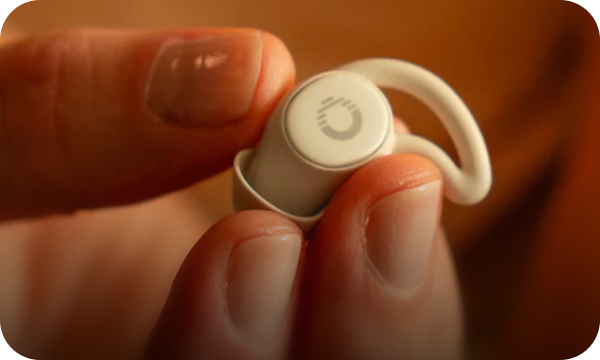
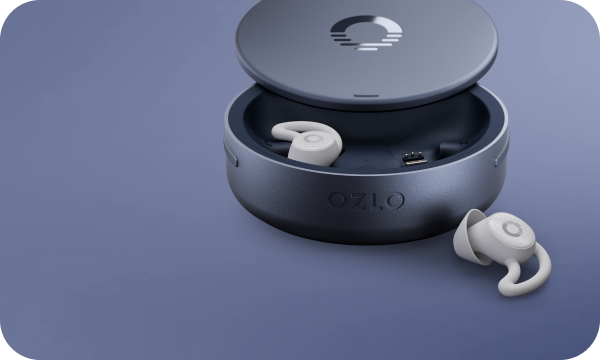
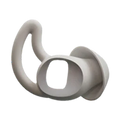
If broad room fixes are not enough, Ozlo Sleepbuds help create a steady, personal sleep sound environment designed for all-night comfort without turning bedtime into a bigger project.
See How Sleepbuds WorkA bedroom does not have to be loud to keep you awake. In apartments, shared homes, suburban neighborhoods, and hotels, the problem is often a string of tiny sounds that are low in volume but irregular in timing: HVAC cycling on and off, a hallway door, a faucet in another room, distant traffic that comes in waves, pipes clicking, a bed frame shifting, a neighbor walking overhead.
What makes this so maddening is the mismatch. If someone else walked into the room, they might say it was quiet. But your brain is not reacting to average noise level. It is reacting to the fact that the soundscape keeps changing. Once that happens, sleep can start to feel less like relaxing and more like monitoring.
We do not see this as a character flaw or proof that something is deeply wrong. It is a recognizable bedtime pattern: the room is calm enough to reveal micro-noises, and your attention keeps getting pulled toward each one.
Steady sound tends to fade into the background because it does not keep asking for an update. Intermittent sound does the opposite. Every new click, creak, or pass of traffic has a beginning, and that beginning matters. It tells your brain, in effect, “something changed.” At bedtime, that can be enough to reset attention again and again.
That is why a soft, continuous wash of sound may feel easier to ignore than a much quieter but unpredictable noise. The issue is not just volume. It is unpredictability. A technically quiet hotel room can feel busier than a slightly louder room if it keeps serving up one-off noises from the hallway, elevator area, ice machine, or air unit.
And once you have noticed two or three of those sounds, another layer can creep in: anticipation. Now you are not only hearing the noise when it happens. You are half-waiting for it. That watchfulness is often the real reason sleep onset gets stretched out.
Start with room tweaks if the leak is modest
If the noise problem has an obvious small source, we would start small. Maybe the vent is rattling, a charger brick is buzzing, the blinds are tapping the window, or light street noise is slipping through a slightly open gap. In those cases, a modest room adjustment can be enough to remove the thing your brain keeps latching onto.
This path makes the most sense when you can point to one or two fixable issues and the room otherwise feels stable. You are not trying to acoustically redesign the space. You are just removing the most annoying little hooks.
What usually does not help is turning bedtime into a nightly inspection routine. If you keep adjusting pillows, windows, fan angles, blankets, and door positions but still find yourself listening for the next tiny sound, the room itself may no longer be the main problem.
Use background sound when you need broad, gentle masking
Background sound can help when the room has a general low-level openness to noise rather than one precise offender. A fan, soft sound machine, or consistent ambient wash can smooth over the little gaps that make distant cars, house settling, or HVAC transitions stand out.
This works best when your noise exposure is broad and mild. In other words, the room is not especially loud, but it feels a little too acoustically empty, so every small outside sound gets highlighted. Adding a steady layer can reduce contrast and make the environment feel less “interruptible.”
But background sound has limits. If the room is already fairly quiet and the remaining issue is that tiny intermittent noises still sneak through with enough definition to grab your attention, room-level sound can start to feel too blunt. It fills the space, yes, but it does not necessarily protect your ears with much precision.
Move to direct personal sleep audio when your ears stay on duty
This is the threshold a lot of people miss. If the room is already quiet enough by normal standards, and you have tried basic tweaks or general masking, but your brain still catches the vent tick, hallway movement, or distant car in the gaps, a direct personal solution usually fits better.
We say that because the problem at this point is not simply “the room needs more sound.” It is that you are still exposed to unpredictable micro-noise at the ear level where sleep begins. Personal sleep audio is often the cleaner answer because it lets you create a stable sound environment much closer to where the disruption is actually being registered.
That is the logic behind Ozlo Sleepbuds: not to blast the room, not to turn bedtime into a project, but to give you a comfortable, all-night, non-pharmaceutical way to reduce the impact of those tiny irregular sounds that keep delaying sleep. When room-level fixes are too broad for a “quiet but still noticeable” problem, a more precise sleep audio approach makes a lot more sense.
A quick way to decide what to try tonight
- If you can identify one or two specific little noises in the room itself, make a simple room tweak first.
- If the room feels generally open to low-level sound from outside or elsewhere in the home, add steady background sound.
- If the room already seems quiet and you are still tracking little intermittent noises, skip the over-adjusting and go more direct with personal sleep audio.
- If you notice you are tense, overstimulated, or mentally revved before bed, pair your sound fix with a short wind-down reset instead of expecting acoustics to solve everything alone.
Where people get stuck
One common trap is assuming that if a room sounds quiet to other people, sound cannot be the issue. But bedtime is exactly when subtle irregular noise becomes easier to notice. The daytime world is full of competing input. Lights-out is not. That is why tiny sounds that seemed trivial at 7 p.m. can feel weirdly loud at 11 p.m.
Another sticking point is earplugs. Some people do well with them, but many do not. They can feel too isolating, uncomfortable, or oddly attention-grabbing in their own right. They also do not create a calming sound environment; they mainly reduce input. If your goal is to stop anticipating the next little noise, complete blunt-force blocking is not always the most soothing path.
We also see people keep turning up room sound when the mismatch is already obvious. If broad masking helped a little but did not stop your attention from catching micro-noises, more of the same may not be the answer. That is often the moment to stop treating the room as the main target and move closer to the ear with a tool designed for sleep comfort, like Sleepbuds made for all-night wear.
Travel is another classic edge case. Hotel rooms are often “quiet enough” in a technical sense, yet full of random acoustic events: elevators, hallway carts, plumbing, unfamiliar air systems, doors closing at uneven intervals. For many people, that is exactly when personal sleep audio becomes more useful than trying to tune the room itself. A compact setup, especially one paired with practical accessories like a travel case or an easy bedside charging option such as a dual USB-C charging block, fits real life better than hoping every room behaves.
The last 30 minutes can turn the volume up or down on your reactivity
We would not blame this whole problem on sleep hygiene. Still, the last half hour before bed can make you either more acoustically reactive or less. If you go straight from work, doomscrolling, email, or bright stimulating content into bed, your system may be more primed to notice every tiny shift in the room.
A brief reset helps not because it solves the noise problem by itself, but because it lowers the odds that your attention arrives in bed already on high alert. Keep it simple: dimmer light, fewer inputs, no “just one more thing,” and a gentler handoff into sleep. Then use the sound solution that actually matches the problem instead of hoping calm vibes alone will outvote the vent tick.
FAQ
Is this just insomnia, or is subtle noise really the issue?
Sometimes it is both, but the pattern matters. If you feel sleepy enough and then keep getting pulled outward by little irregular sounds, subtle noise exposure may be the immediate blocker. The clue is that your attention keeps resetting to the environment instead of naturally fading inward toward sleep.
Why is hotel sleep so hard even when the room seems quiet?
Because hotel quiet is often uneven quiet. The overall volume may be low, but the sound pattern is full of interruptions: hall traffic, doors, plumbing, HVAC, elevators, and unfamiliar building noises. That unpredictability can make a room feel much noisier at bedtime than it measures on paper.
When is room sound not enough anymore?
If you have already added steady background sound and still find yourself catching little noises through it, the room-level approach may be too broad for your situation. That is usually the moment we would stop endlessly tweaking the environment and move to a more direct personal solution. If your room is already quiet enough and your ears are still staying on duty, a precise in-ear sleep setup like Ozlo is often the smarter next step for falling asleep faster tonight.
Ready to stop waiting for the next little noise?
If your bedroom already seems quiet but your ears still stay on duty, Ozlo Sleepbuds offer a direct, non-pharmaceutical way to reduce the impact of tiny interruptions and help you fall asleep faster tonight.
Shop Ozlo Sleepbuds

