








Creating the Perfect Sleep Sanctuary: An Environment Checklist
It's depressing, but you can do everything right and still sleep badly. You can cut off caffeine at noon, go to bed at the same time every night, and take a walk in the morning sun, and then spend the whole night tossing and turning. If you can relate to the above, it might not be you. It might be your room.
It's true, your bedroom has more of an effect on sleep than almost anything else on a sleep hygiene checklist, and the fixes tend to be cheap and shockingly effective. Here's what an optimal sleep environment actually looks like, and how to get yours there.
 Find the Goldlilocks Zone
Your core body temperature has to drop a bit before you can fall asleep and stay there, which is why a warm room makes you toss around all night. Most experts recommend keeping your bedroom somewhere between 65 and 68 degrees, which is probably a few degrees cooler than where you've got it now.
It might seem chilly, but give it a try and let your blankets do the warming instead of your thermostat. You can easily kick off at 2 a.m., but getting up and adjusting your thermostat? That's a whole other thing.
 Go Dark
Light is notorious for preventing people from falling asleep, but did you know it's still doing things to you even after you've drifted off?
In a Northwestern study, healthy adults who slept one night under moderate room lighting had higher heart rates, spent more time in lighter sleep, and showed more insulin resistance the next morning than people who slept in a dim room. And that was just after one night!
A survey by LG Electronics revealed that 61% of people fall asleep with the TV on, which means an alarming number of us are messing with our sleep without realizing it.
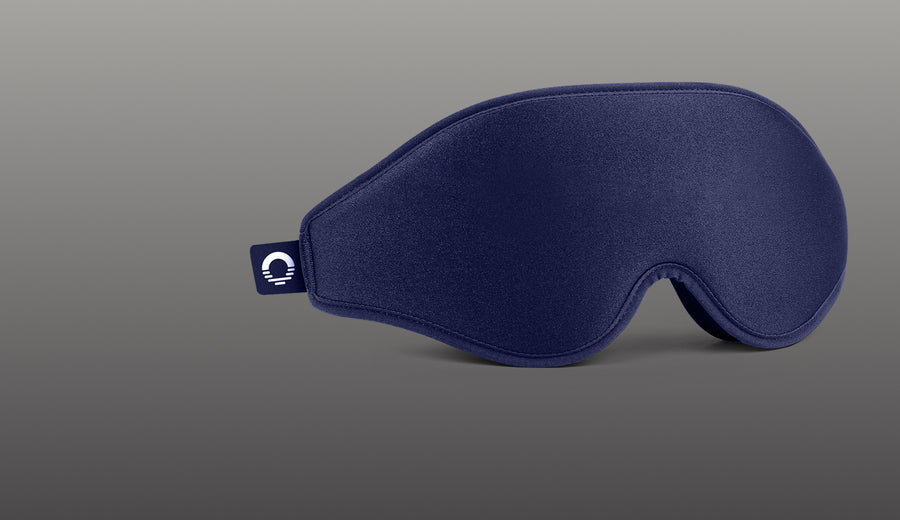
To create an ideal environment, close the blinds, and then go looking for the small stuff, like the blue dot on the power strip, the router blinking from the hallway, or streetlight sneaking in at the top of your curtains. Blackout curtains are worth every penny, and if you can't swing those, a sleep mask is a more cost-conscious option.
 Dealing with the noise
Sadly, your ears don't clock out when you do. Your auditory system keeps evaluating sound while you're asleep, and research has shown that noise both disrupts sleep and cuts down on your total sleep time. The frustrating part is that you don't have to fully wake up for noise to mess with you.
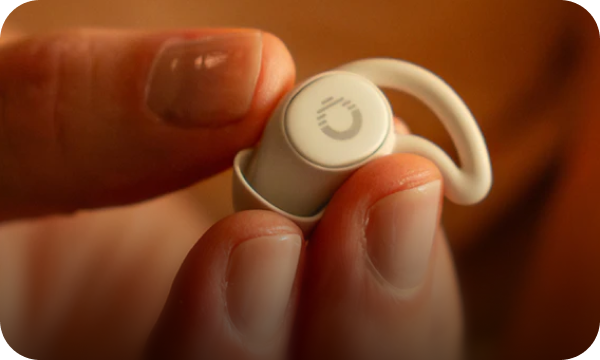
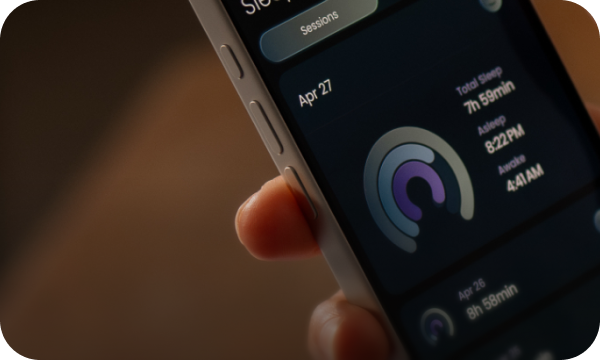
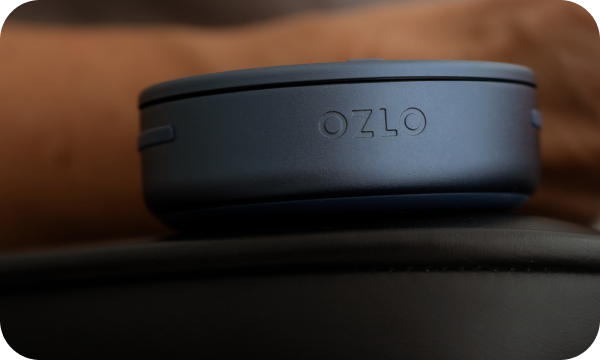
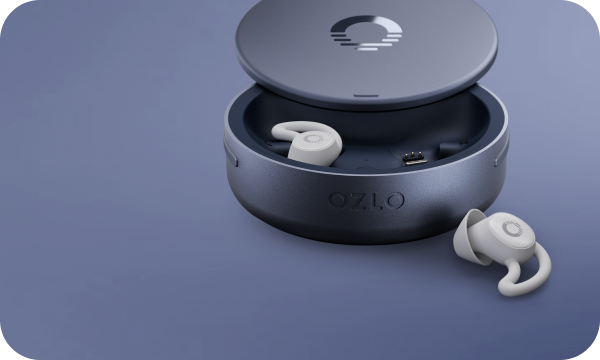
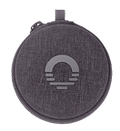
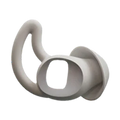
That's the exact problem Ozlo Sleepbuds are built to solve. They're small enough to sleep in comfortably, even face-down on a pillow, and they use precisely tuned sound to mask the noise. You can fall asleep to a podcast or a playlist, and once the sensors pick up that you've drifted off, the buds switch over to masking sound on their own and hold it there all night.
 Let the Room Breathe
Research shows that people who sleep with a bedroom window open fall asleep faster and sleep more efficiently than the same people sleeping in a closed room. Crack a window if the weather allows. If it doesn't, leave your bedroom door open, run a fan on low, and skip anything heavily scented, because your nose is trying to relax too.

Give Your Bed One Job
So much of sleep is mental. So if you answer email in bed, watch three hours of television in bed, and have your worst arguments in bed, your brain stops seeing it as a sleep cue and starts seeing it as a general-purpose location, like the kitchen or living room.
The American Academy of Sleep Medicine recommends keeping your bed strictly for sleeping and getting up if you haven't fallen asleep after about 20 minutes. Go do something quiet and dimly lit somewhere else, then come back when you're actually feeling sleepy. Lying there furious at your own ceiling teaches your brain exactly the wrong lesson, and could actually result in sleep anxiety.
 Let Sleeping Dogs Lie Somewhere Else
About half of American households have a pet, and plenty of those pets are sleeping in the bedroom.
The good news is that having your dog in the room is probably fine. Research shows that that people with a dog in the bedroom held a sleep efficiency of about 83%, which isn’t too shabby.
The problem is having a dog in your bed. When they sleep with you, sleep efficiency slipped to around 80% and people woke up more over the course of the night. The dogs, meanwhile, slept beautifully either way. So if you've been waking up at 3 a.m. for no clear reason, it's worth considering that the reason you might have four legs is kicking you in the back all night.
 Evict the Clock
One last one tip, and it's super simple. If you keep a digital clock by the bed, try turning it around or moving it across the room where you can't read it. Clock-watching is common enough that researchers have a name for it, sleep monitoring. And in a study of nearly 5,000 patients at a sleep clinic, time monitoring behavior was found to make insomnia worse and pushed them towards taking sleep aids.
Same goes for your phone, which is a clock, a dopamine rush, and a light source in one convenient package. Try charging it in the kitchen for a week and see it does for your sleep.
Nothing good has ever come starting at the at 3:14 a.m. and wondering how many hours you have left. Plus, the anxiety it creates only serves to keep you awake.
 Start Small
The fixes that change your sleep the most aren't the ones you'd expect to matter, and they're rarely the ones you'd spend money on. It's two degrees on the thermostat. It's a piece of electrical tape over a blinking light. It's a clock turned to face the wall. Individually,


